
Safety and Collision Avoidance Systems
MPI has tailored its Level 7-9 Proximity Detection and Collision Avoidance solutions to adequately address site specific risks
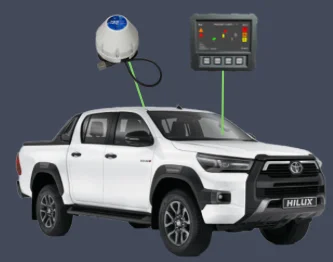
LEVEL 7/8 COMPACT PDS
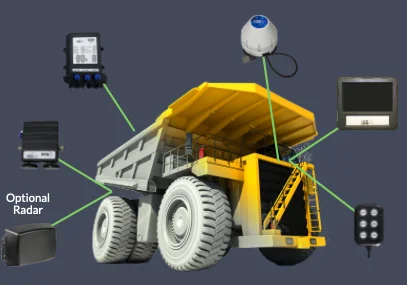
LEVEL 8 ADVANCED PDS
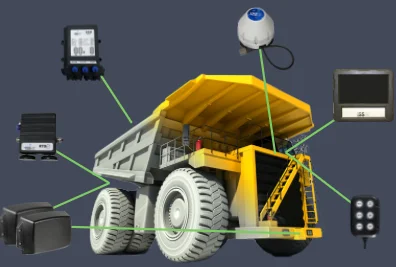
LEVEL 9 CAS/CPS, DUAL RADAR
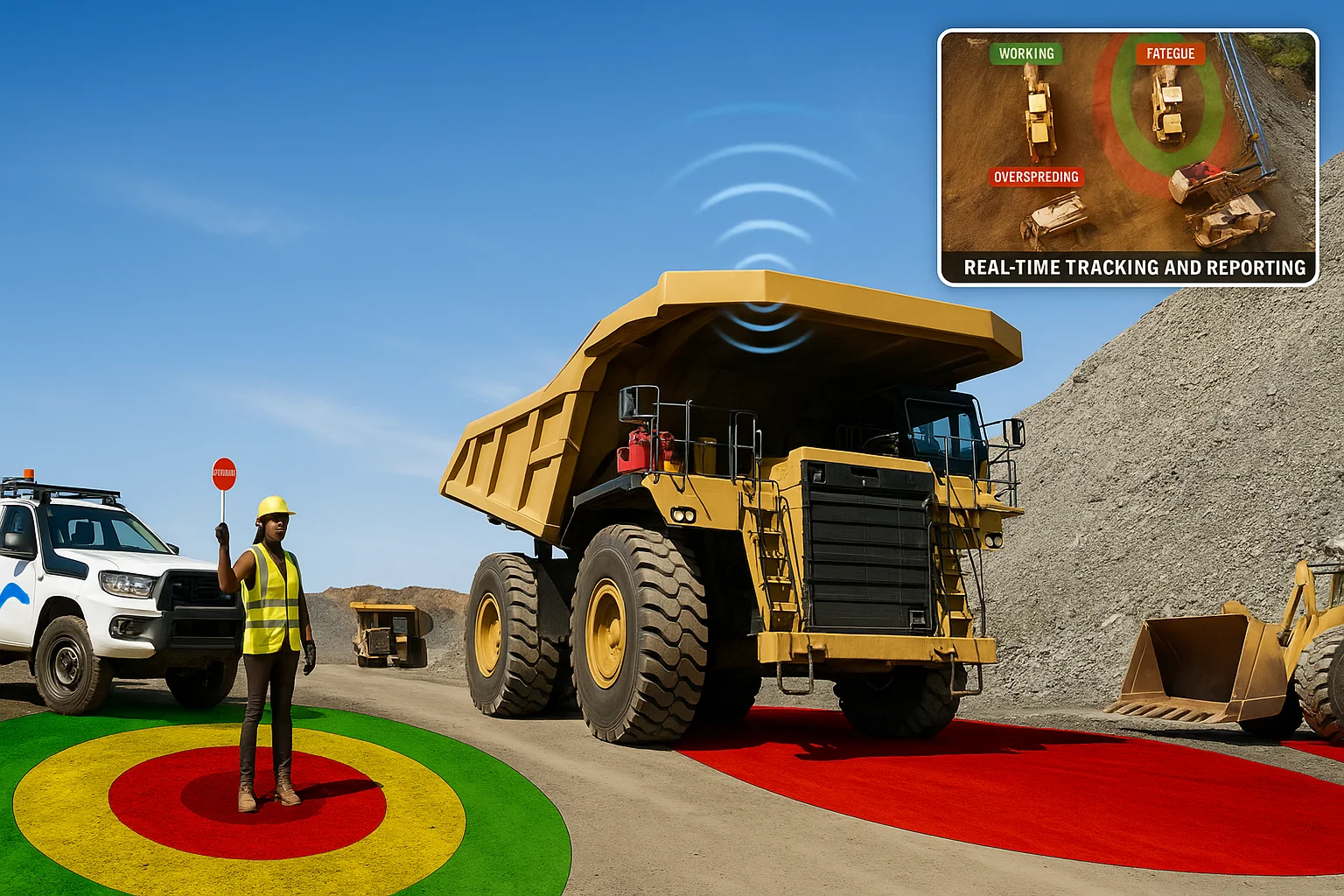
MPI Tracking,
Dashboards & Reports

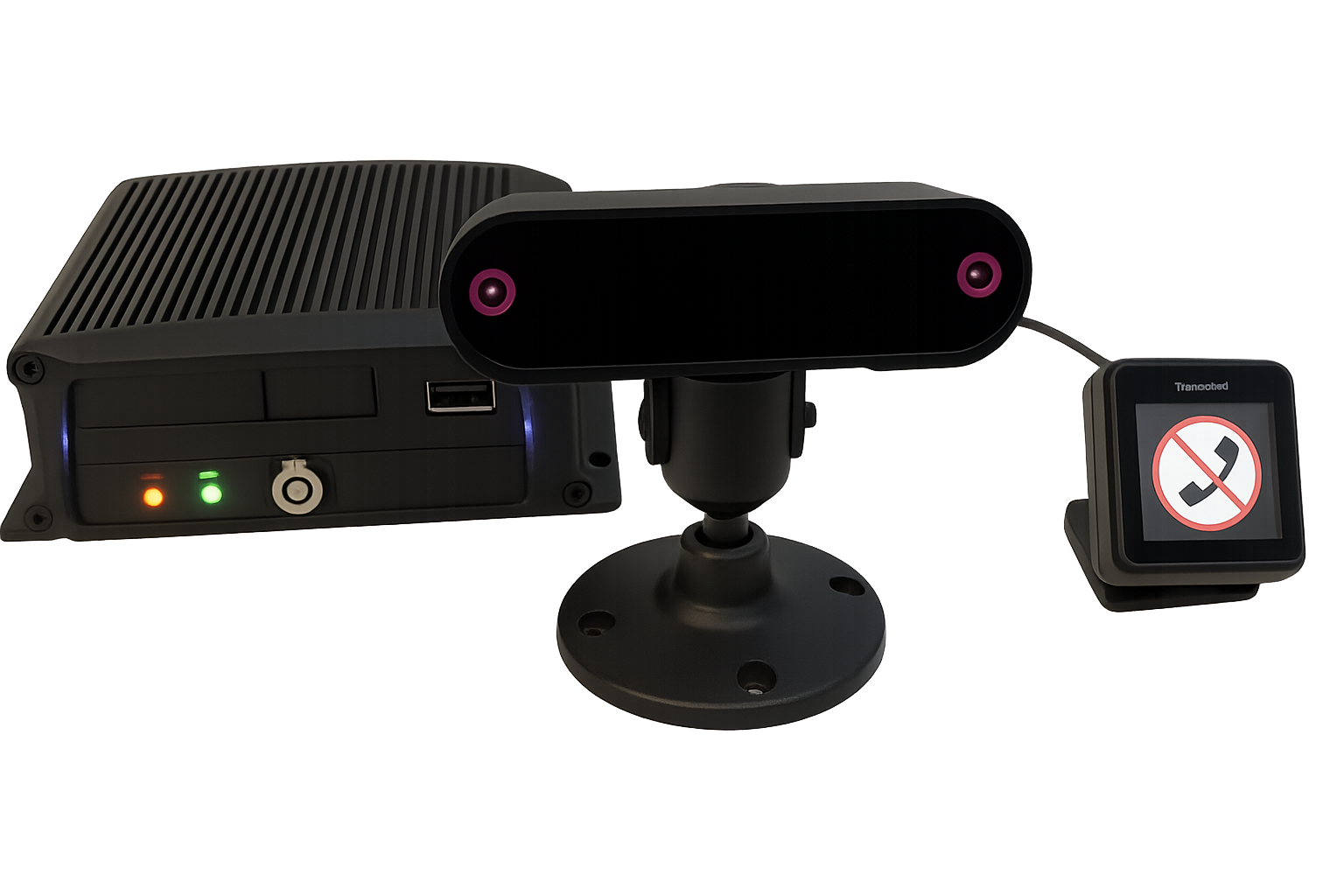
Fatigue Monitoring
(driver state detection)
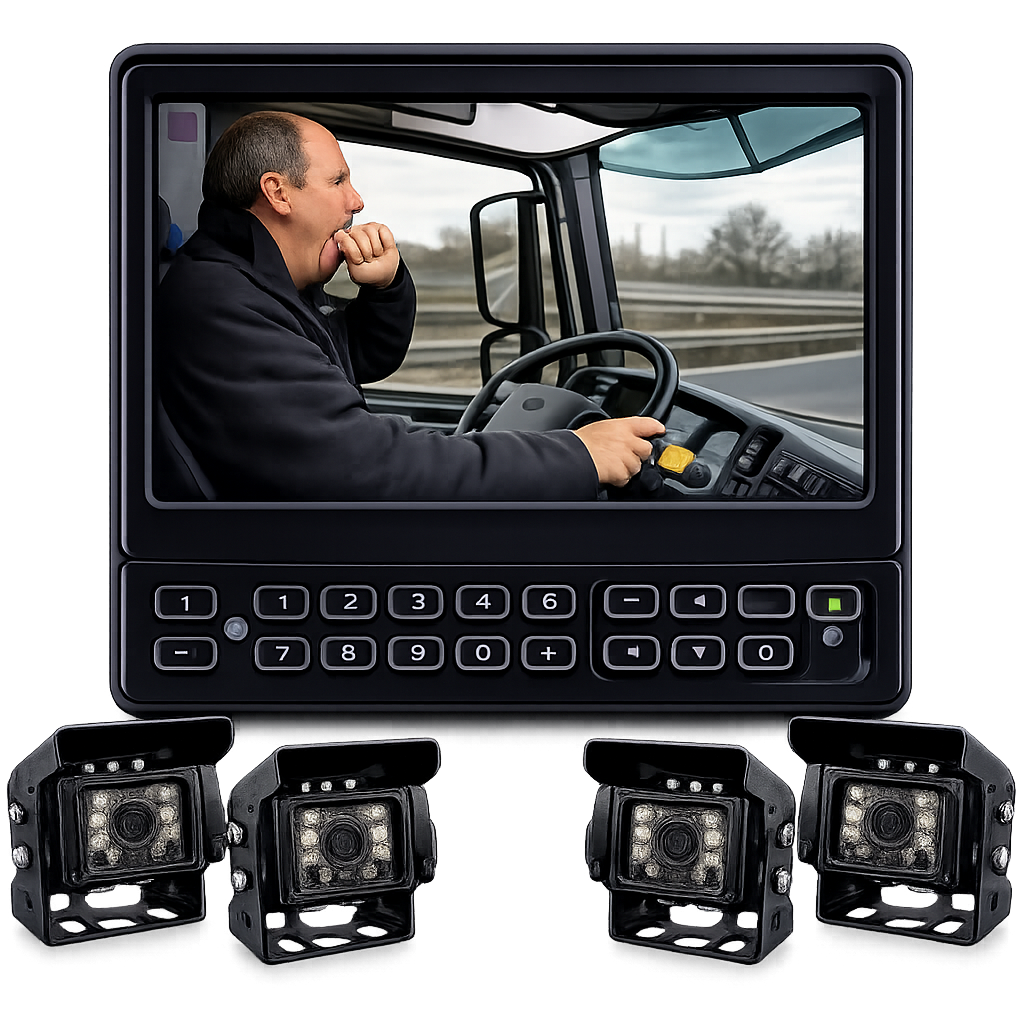
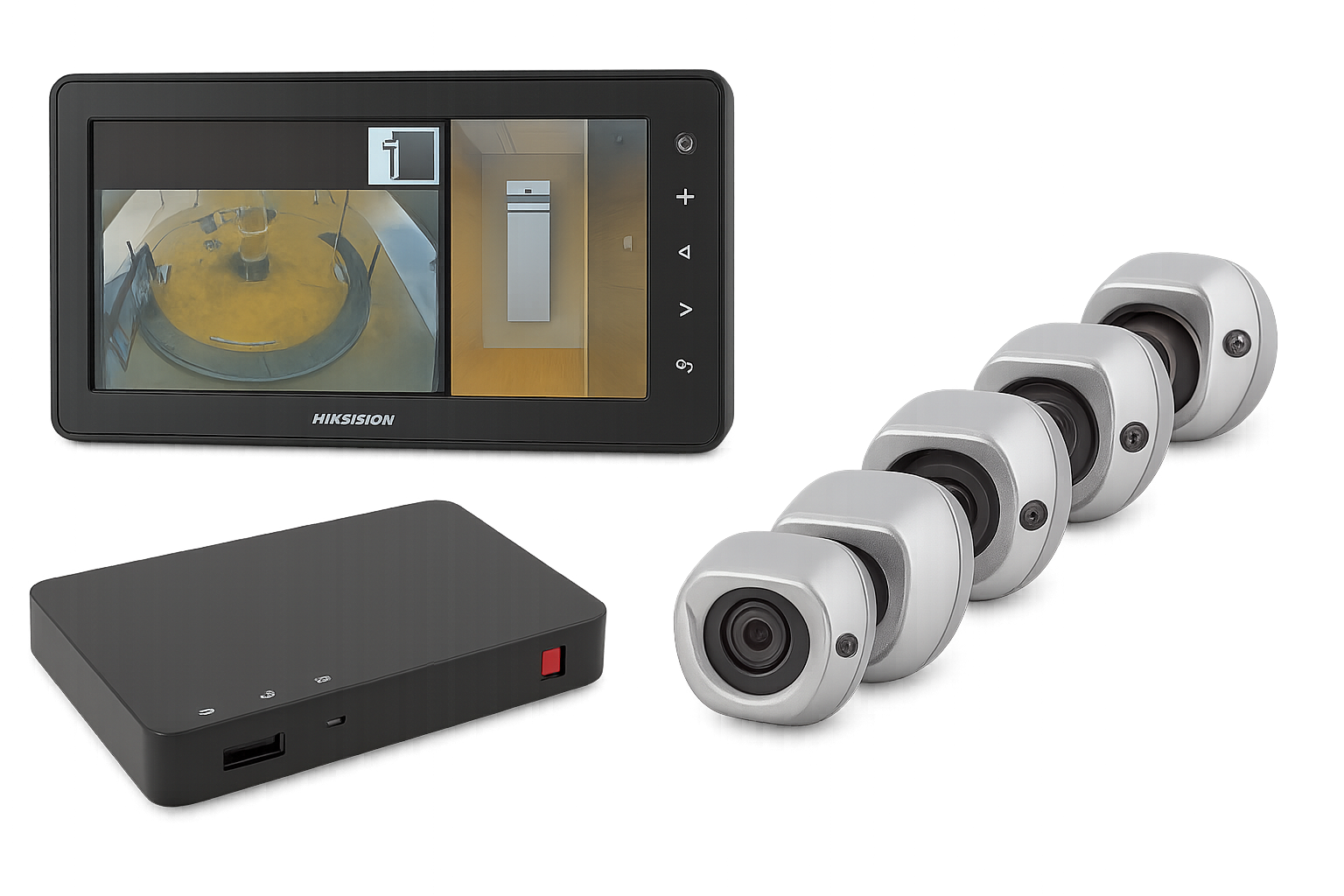
AI Cameras
(visual validation & evidence)
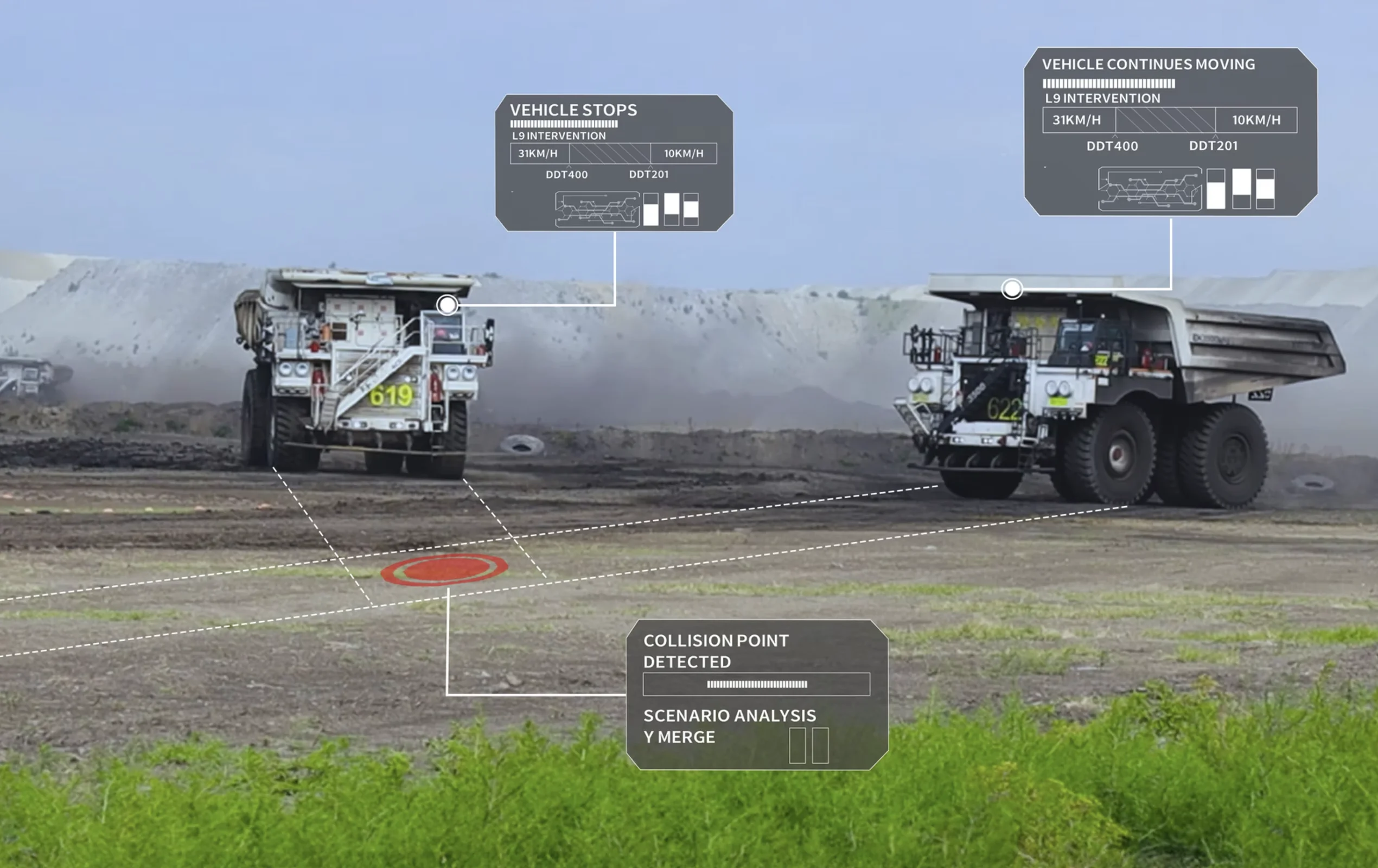
Level 9 Collision AvoidanceAutomatic Intervention
Our Level 9 PDS & CAS system features automatic vehicle intervention through comprehensive OEM integration, and intelligent predictive algorithms that solve complex mining scenarios whilst bringing vehicles to an automatic safe stop and concurrently minimizing production disruption.
MPI's Pioneering Collision Avoidance System

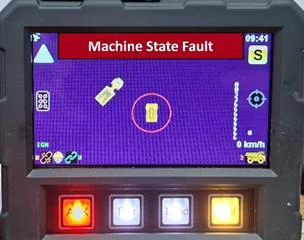
Leading OEM Integration for Level 9
MPI's Collision Avoidance seamlessly integrates with leading global OEMs including Caterpillar, Komatsu, Hitachi, Bell, Belaz and third parties including Neurospec, ECS and PRIEDPRO for automatic intervention, derating, and safe stopping capabilities.
- Full compliance with ISO 21815-2 global standards
- Automatic health diagnostic checks including OEM errors
- Automatic intervention capabilities with fail-safe technology
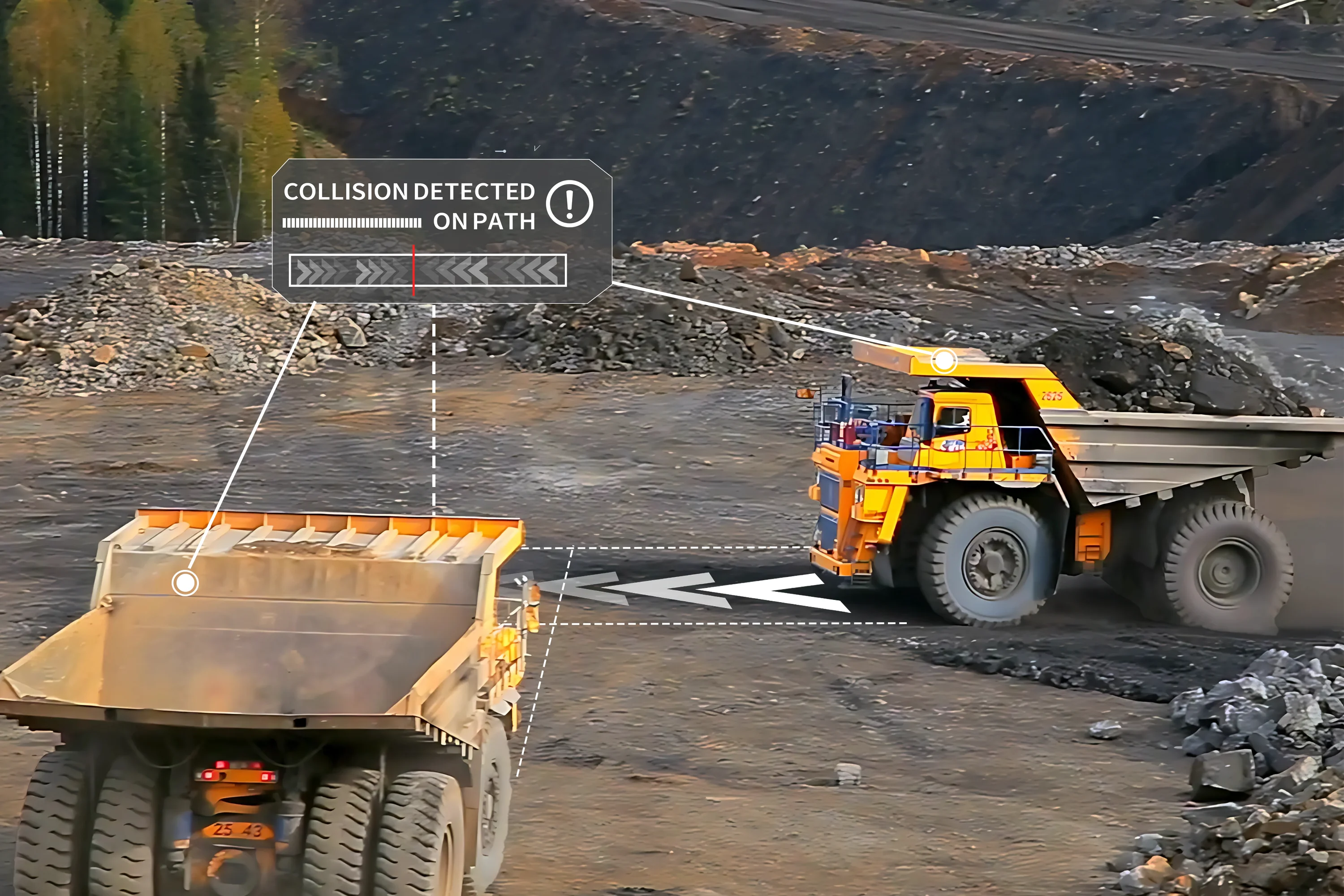

Predictive Algorithms for Complex Mining Scenarios
MPI's advanced path prediction software minimizes collision risks in curved and complex layouts, including T-junctions and Y-merges. The system proactively prevents accidents and reduces unnecessary interventions by using risk-prioritized logic.
- Advanced path prediction for complex scenarios
- Risk-prioritized intervention logic
- Handles T-junctions, Y-merges, and curved layouts
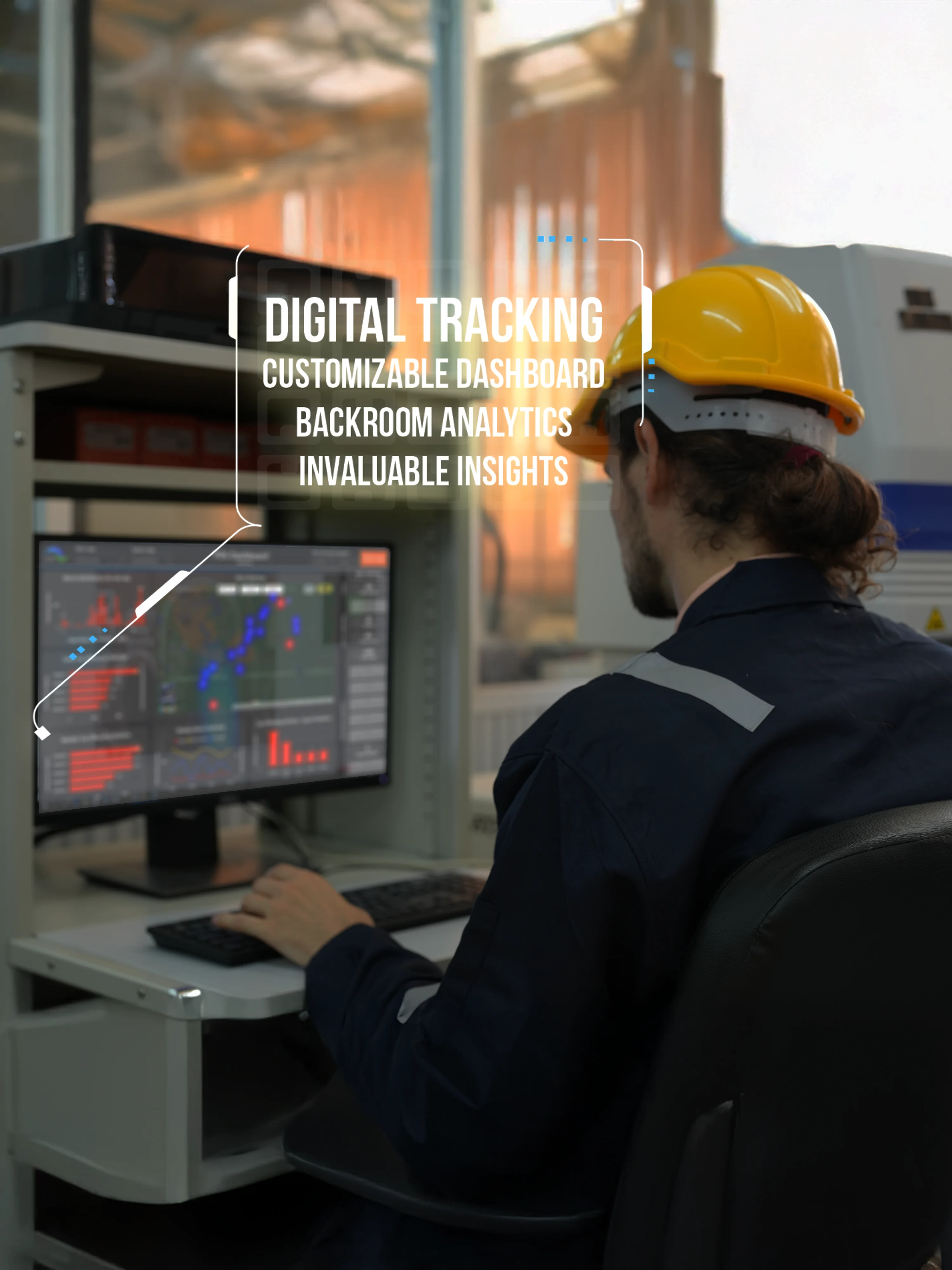

Integrated Analytics & Insights enabling Digital Mining
Comprehensive tracking, reporting, incident playbacks, and in-depth monitoring provide customers with online real-time actionable insights, at the fingertips of decision makers.
- Real-time operational dashboards and insights
- Comprehensive incident playback and analysis
- Predictive maintenance and performance optimization
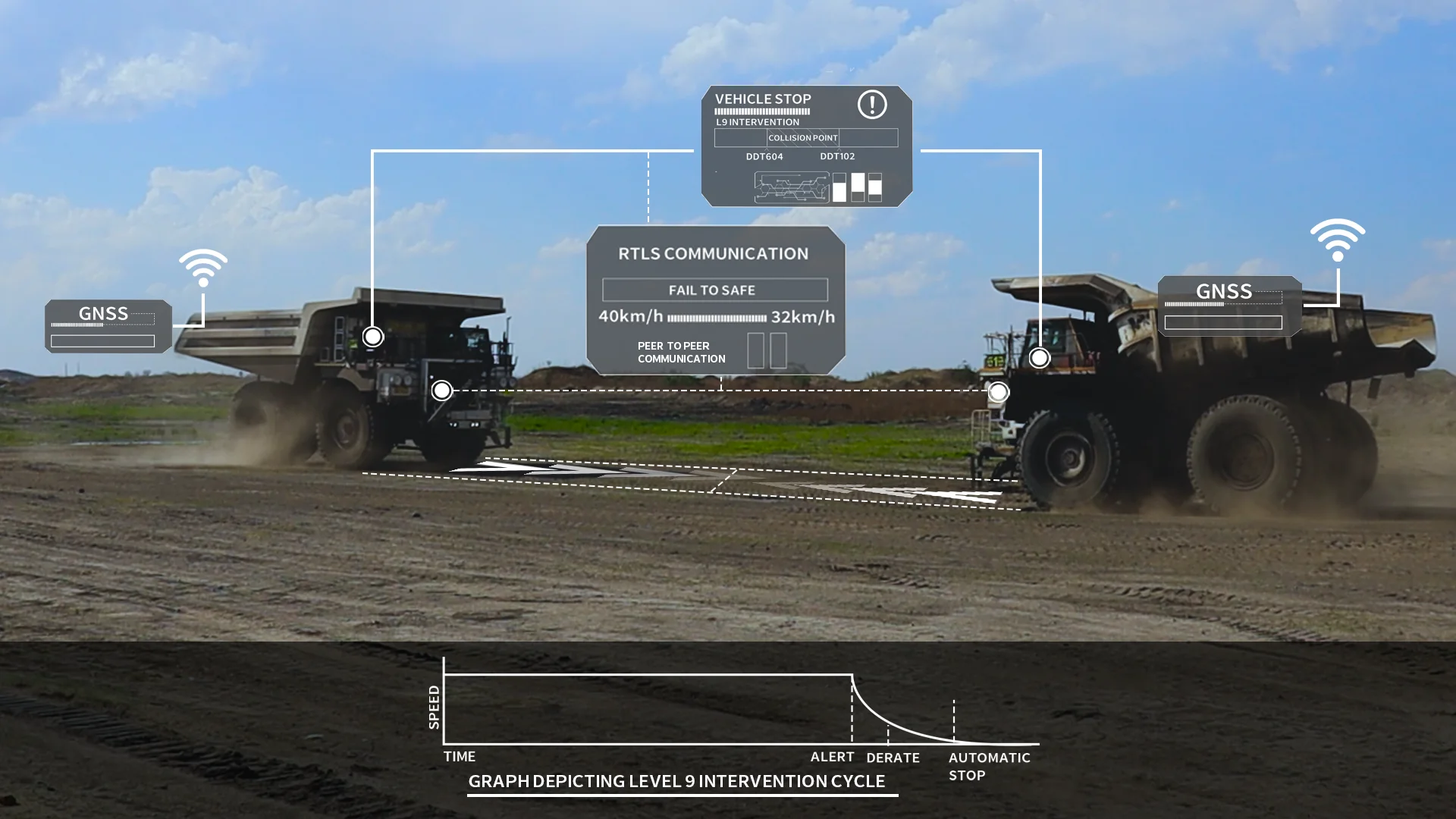

Concurrent Technologies ensure precise Vehicle and Pedestrian Location Data
By integrating GNSS with RTLS via sensor fusion, we eliminate GPS drift and ensure pinpoint accuracy for Level 9 safety standards. Our predictive CCU module enables real-time interventions and fail-to-safe technology.
- GNSS & RTLS Sensor fusion for seamless transition
- Elimination of GPS drift in challenging environments
- Fail-safe technology with predictive CCU module
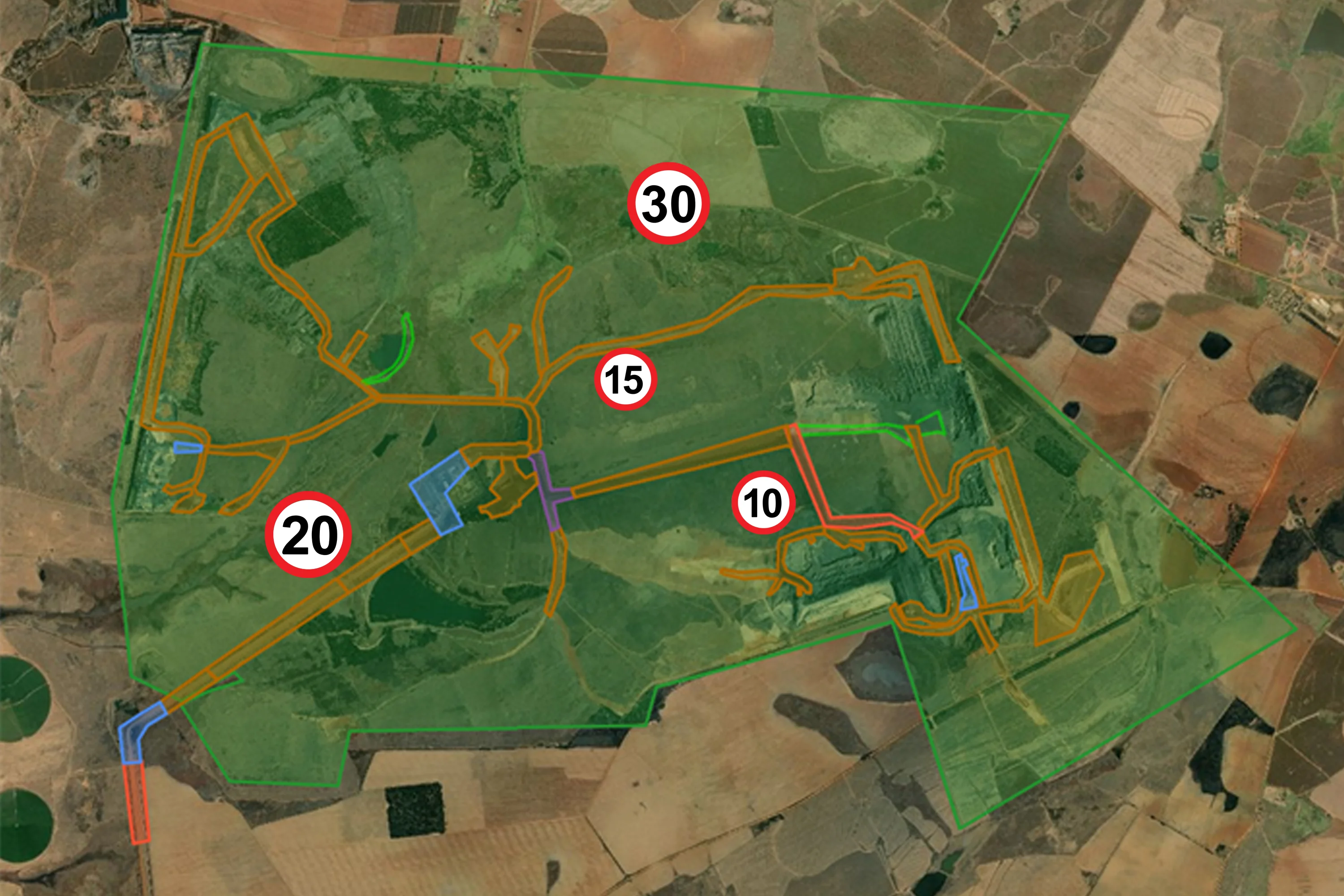

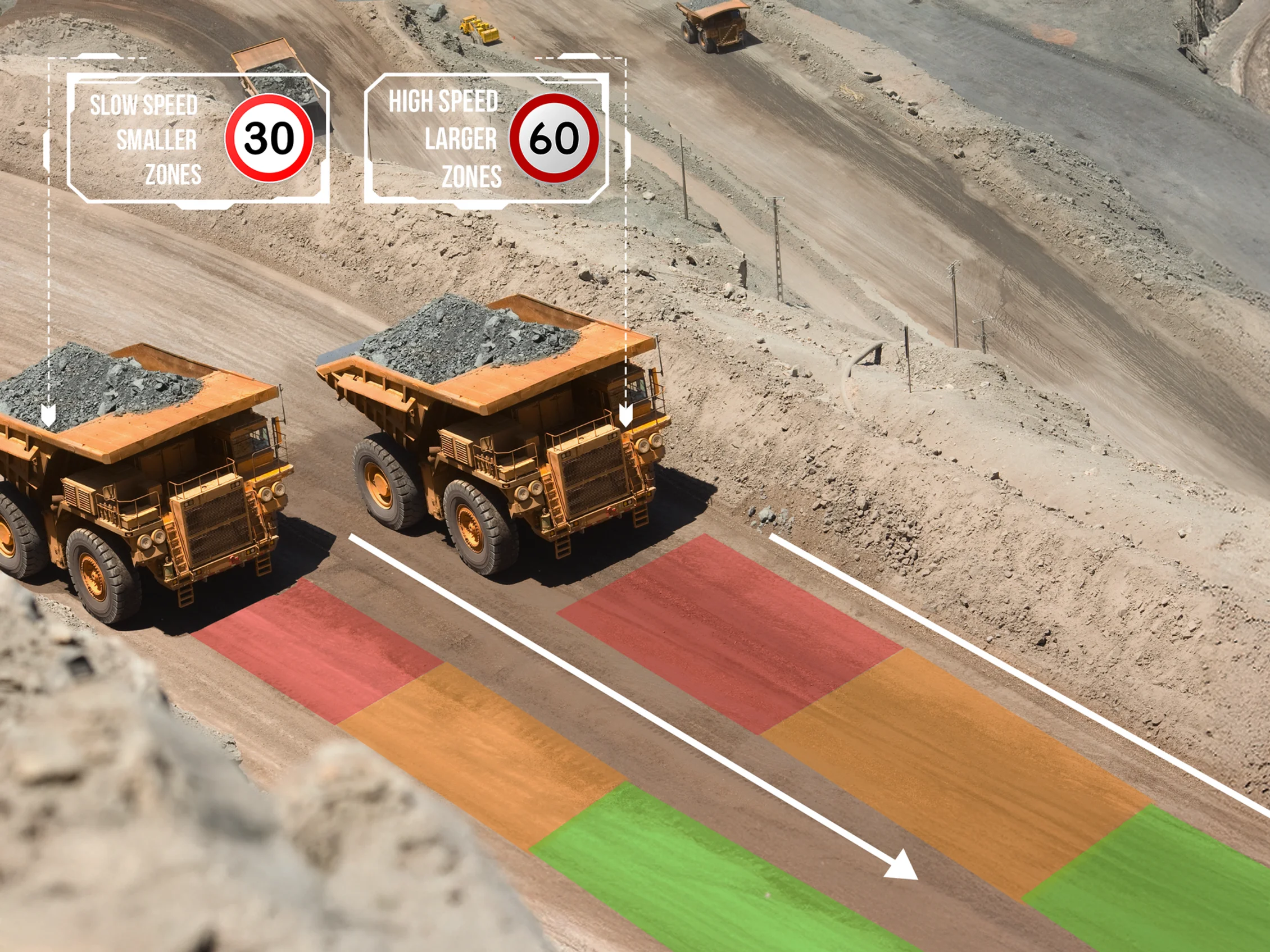
Dynamic Geo Zones Streamline Traffic Management
By enforcing precise speed limits and incorporating real-time violation updates, we set new benchmarks for flexibility, effectively optimizing the traffic management plan with integrated Collision Avoidance implementation.
- Dynamic speed zone configuration and enforcement
- Real-time traffic violation monitoring and alerts
- Adaptive traffic flow optimization
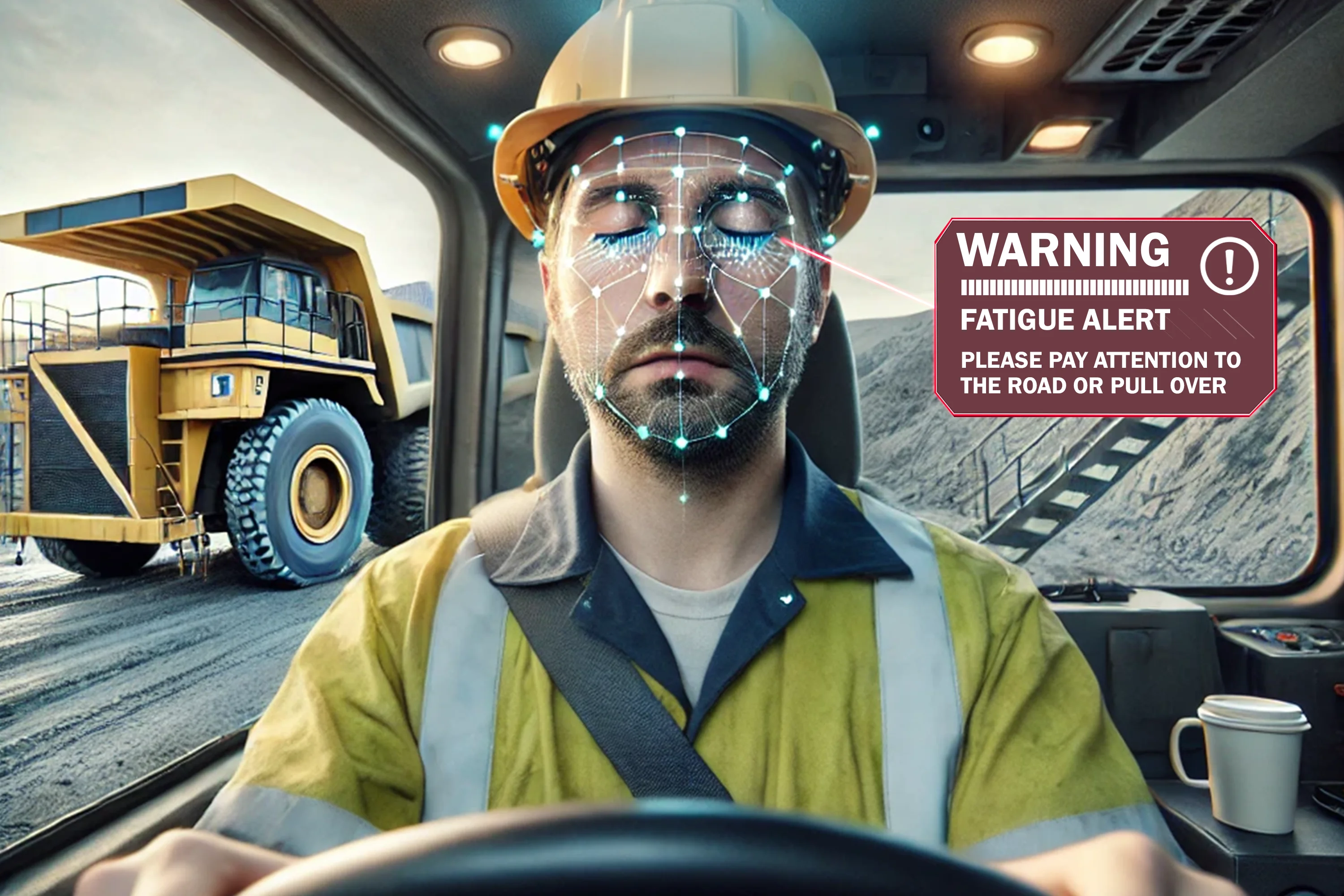

Synergizing PDS with Advanced Fatigue Management
MPI's AI-driven Fatigue Management System effectively detects driver fatigue early, provides alerts, prevents collisions and reduces downtime while effortlessly integrating with our Proximity Detection System.
- AI-powered early fatigue detection algorithms
- Seamless integration with collision avoidance systems
- Proactive intervention to prevent fatigue-related incidents
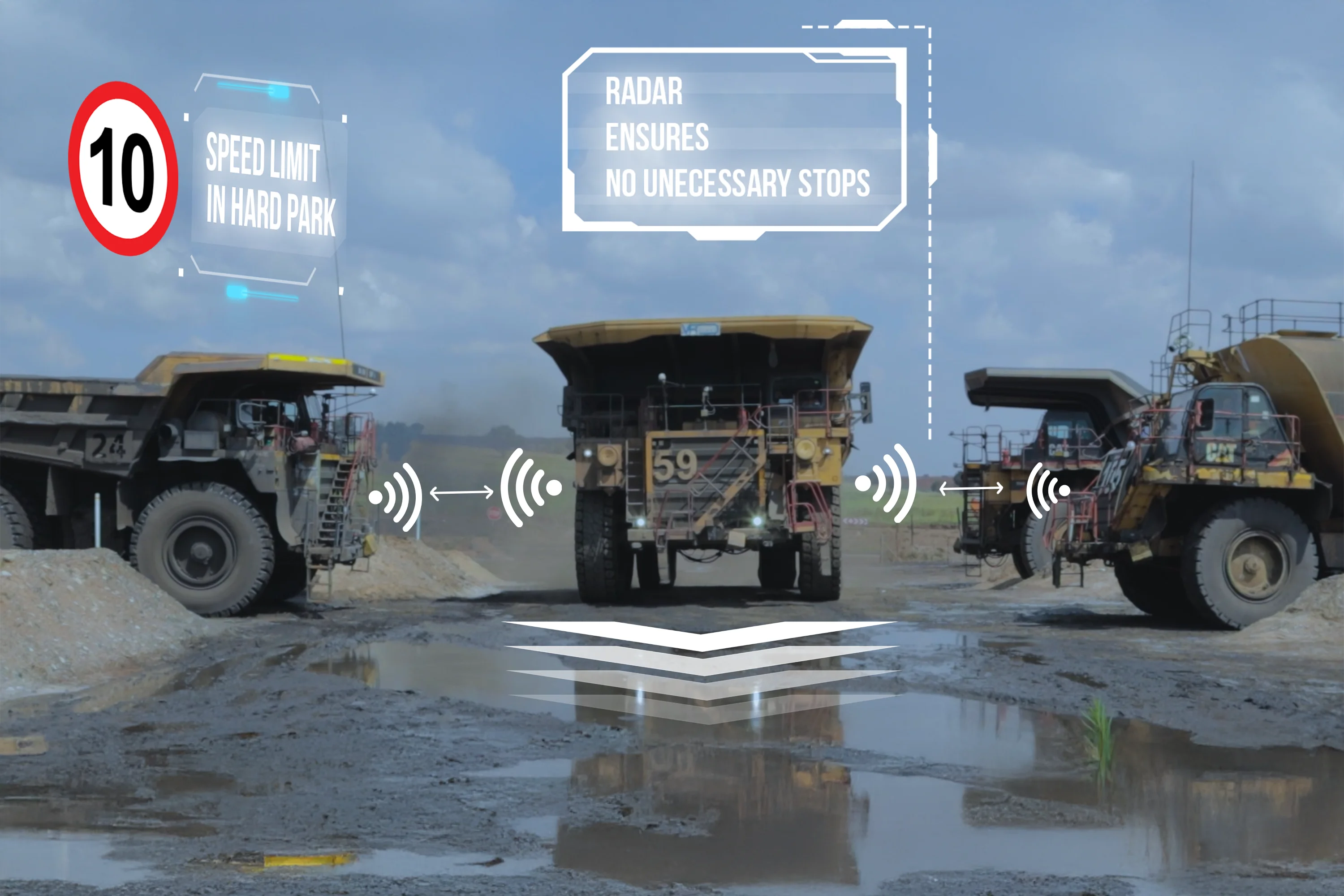


Effective Warnings in Congested Areas
Our Collision Avoidance system ensures effective warnings and customizable speed limits in high-traffic areas, mitigating downtime as a result of false positives and ensuring seamless operations.
- Advanced algorithms minimize false positives in congested zones
- Customizable speed limits based on operational requirements
- Real-time traffic analysis and adaptive warning systems
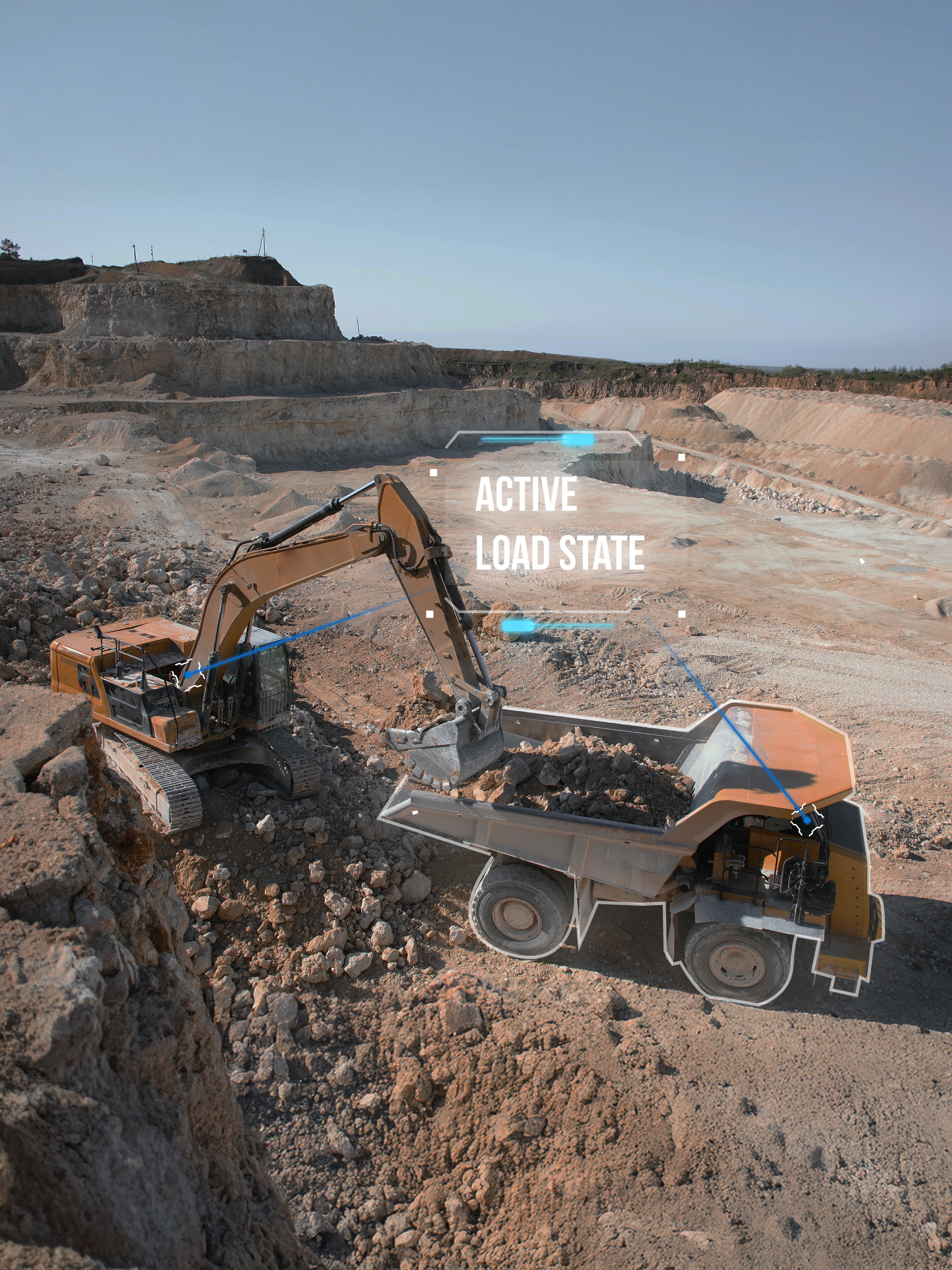
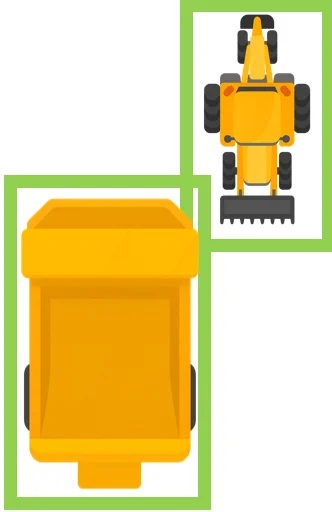
Solving Close Interactions with Load & Dump State
Our Level 9 technology enables safe, efficient close interactions during loading & dumping operations through speed limits and pairing of two vehicles without compromising production efficiency.
- Intelligent load state detection and management
- Reduced intervention during critical loading operations
- Production optimization without safety compromise
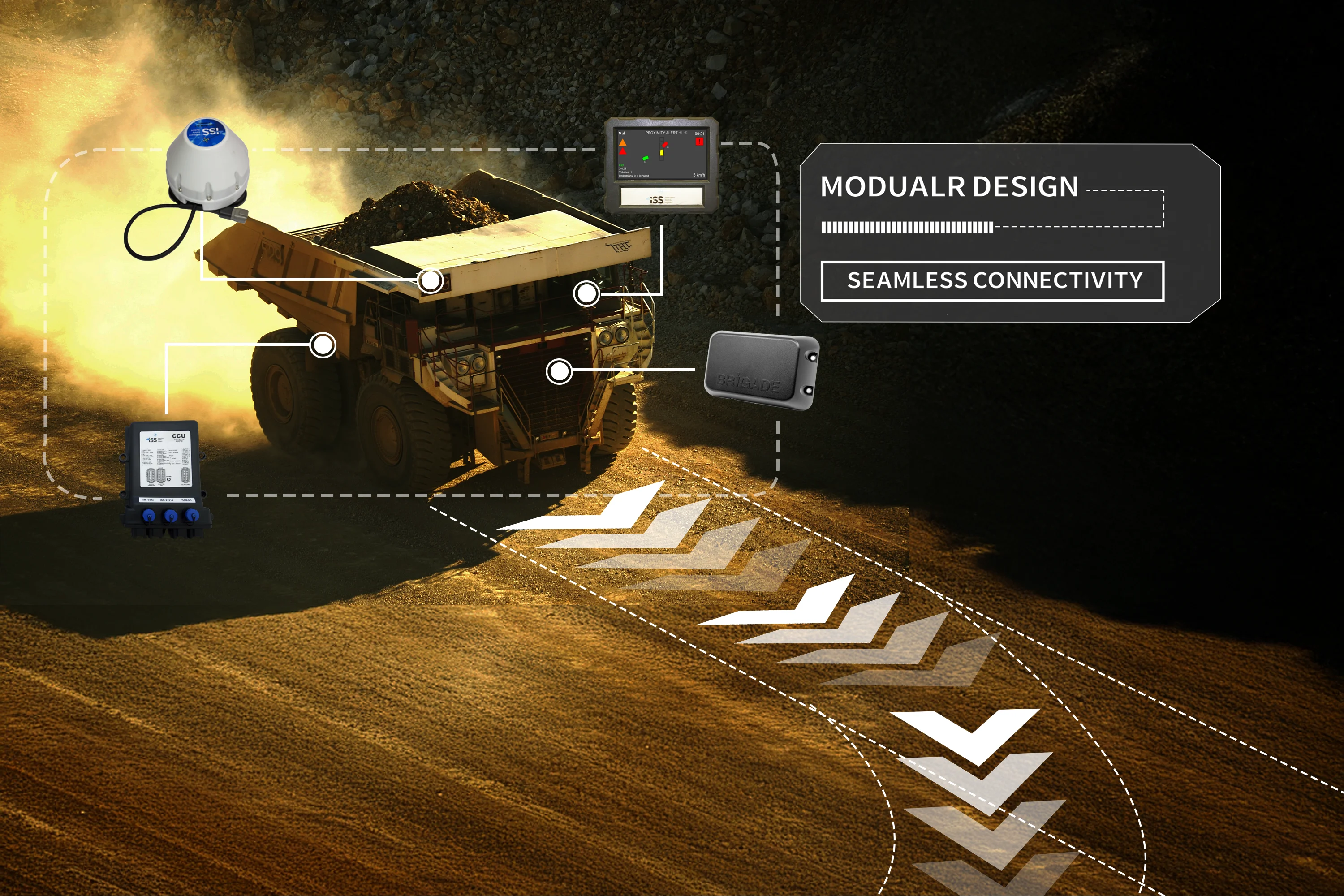

Modular Design ensures Backward Compatibility
Our modular design and backward compatibility ensure continuous integration and communication with previous versions, allowing your site to operate without the need to replace the entire vehicle fleet, simplifying upgrading from PDS to Collision Avoidance.
- Seamless integration of Level 9 with existing Level 7 & 8 systems
- Fleet-wide compatibility without full replacement
- Modular upgrade path from Level 7/8 to Level 9
Level 8 - Effective Warning & Real-TimeAwareness System
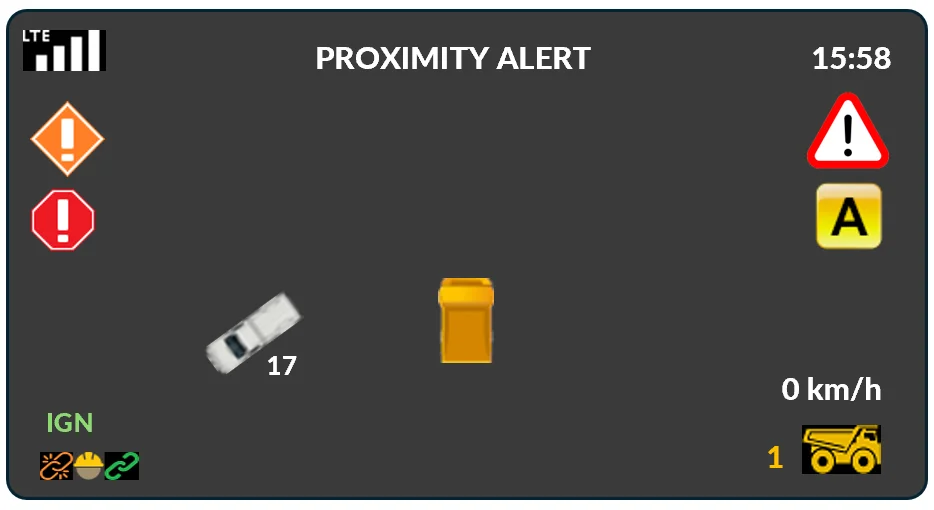
This system provides effective warning through visual and audible alerts when set parameters are breached, thereby enhancing safety for surface mines with vehicle-to-vehicle, vehicle-to-person, and vehicle-to-object detection. Real-time operational dashboards and insights available at the fingertips of decision makers.
Overview
Icons depicted on GDU screen
System provides 360-degree visibility
Configurable Settings
Customizable Zone Settings, mitigate nuisance alarms
Close Interactions
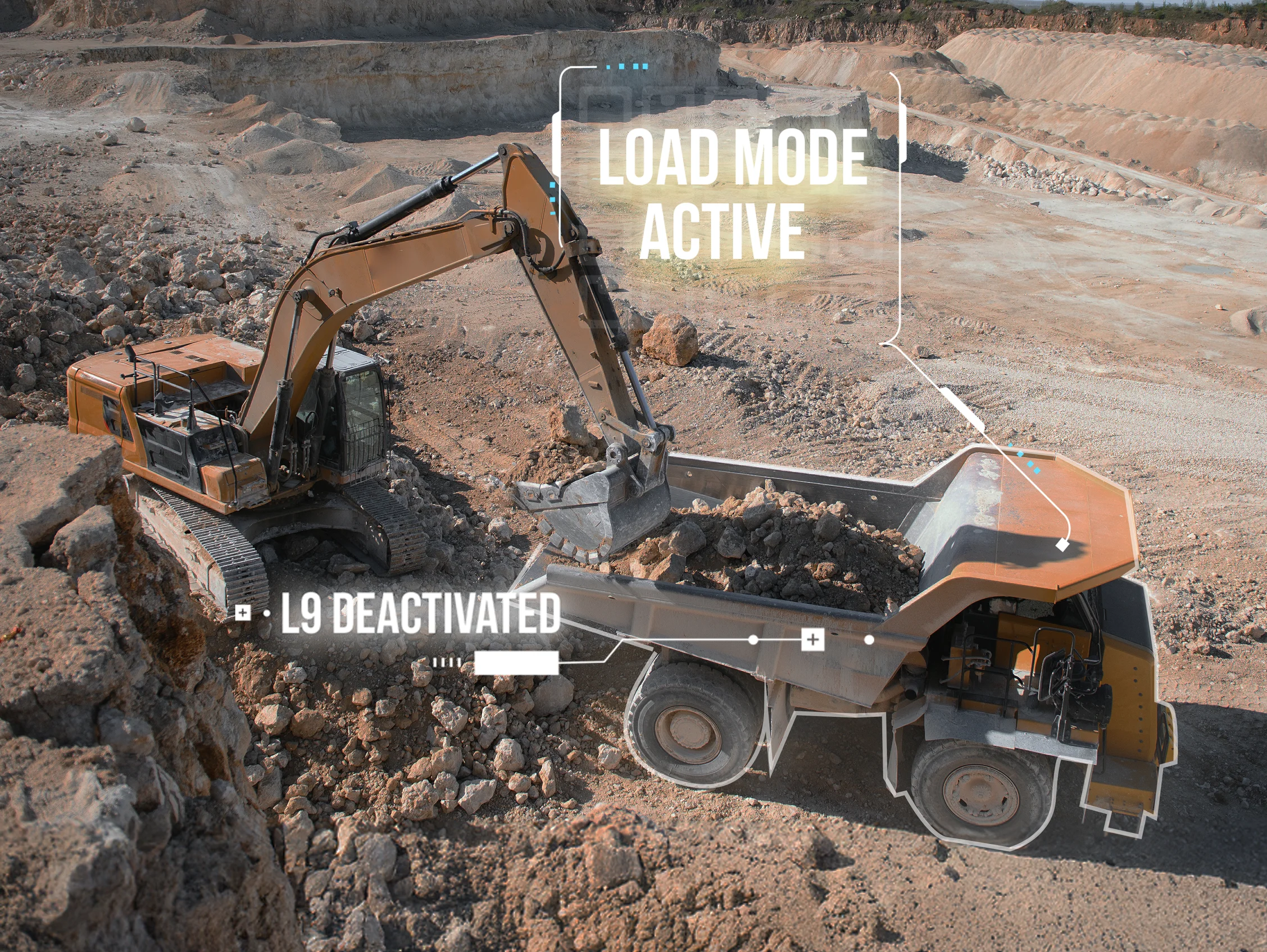
Close interactions enables through Load, Pair and Dump Modes
Under-Roof Environments
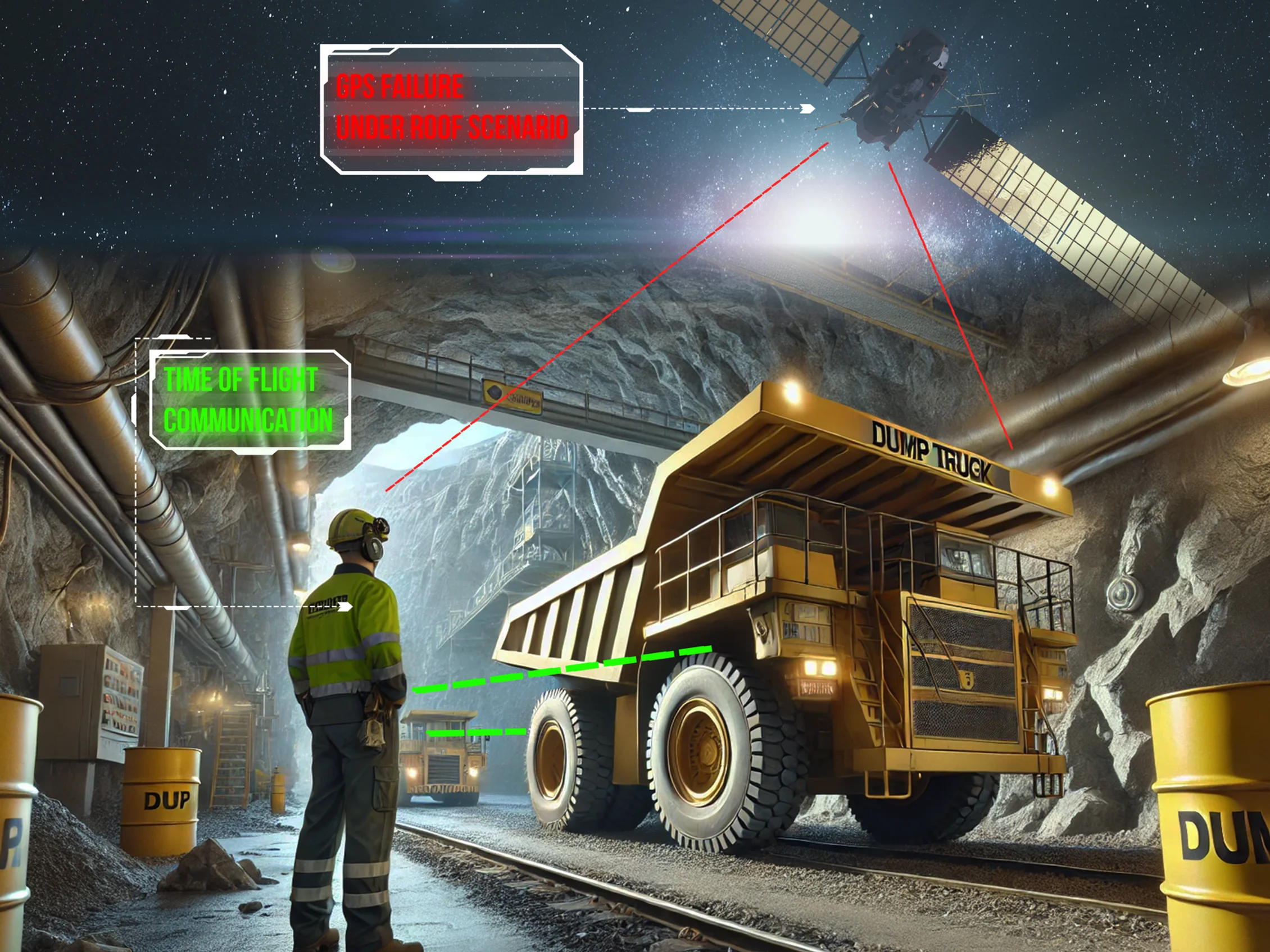
GNSS detection augmented with Time Of Flight
Level 7 - Effective Warning System forLight Vehicles
This system provides effective warning through visual and audible alerts when set parameters are breached, thereby enhancing safety for light delivery surface vehicles interactions with other vehicles and pedestrians. Option for temporary installations for contractors, via 12V lighter socket plug.
Overview
Self Diagnostics Error Display
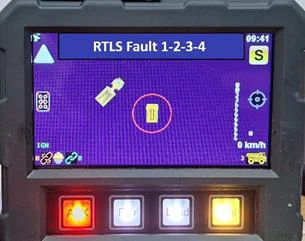
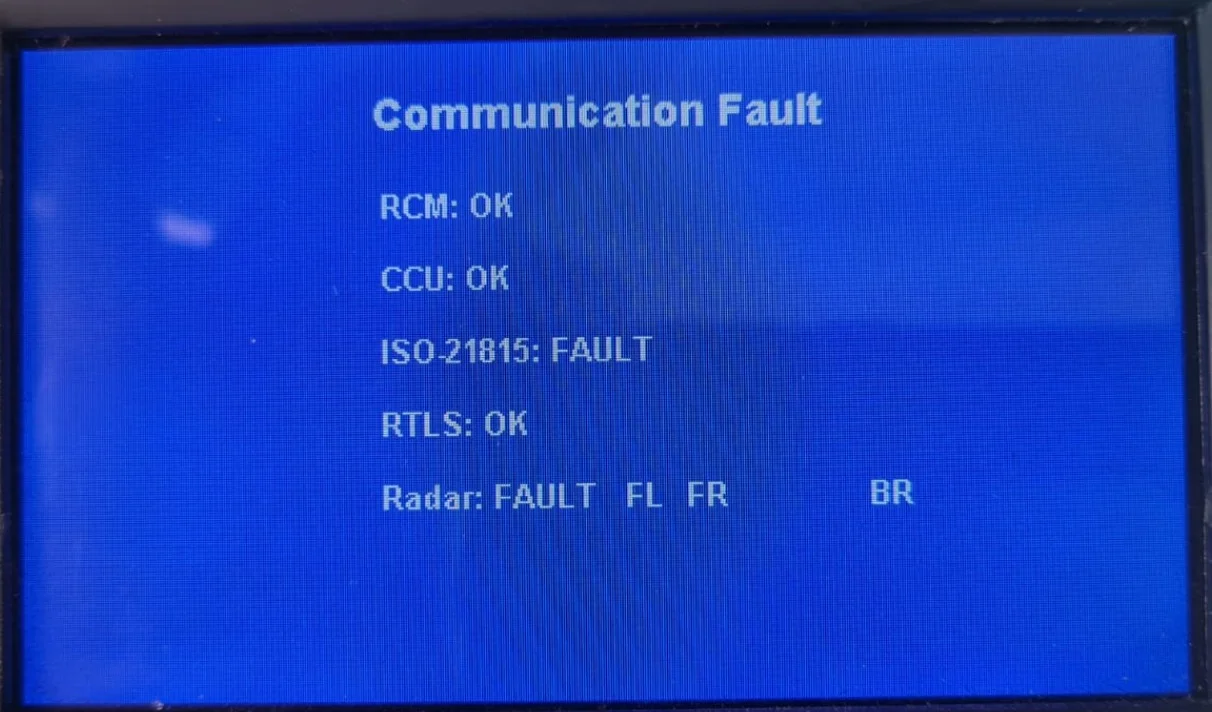
- Continuous automatic health diagnostics of system components.
- Both single and multiple errors displayed on the screen.
- Applicable to Level 7-9 Systems
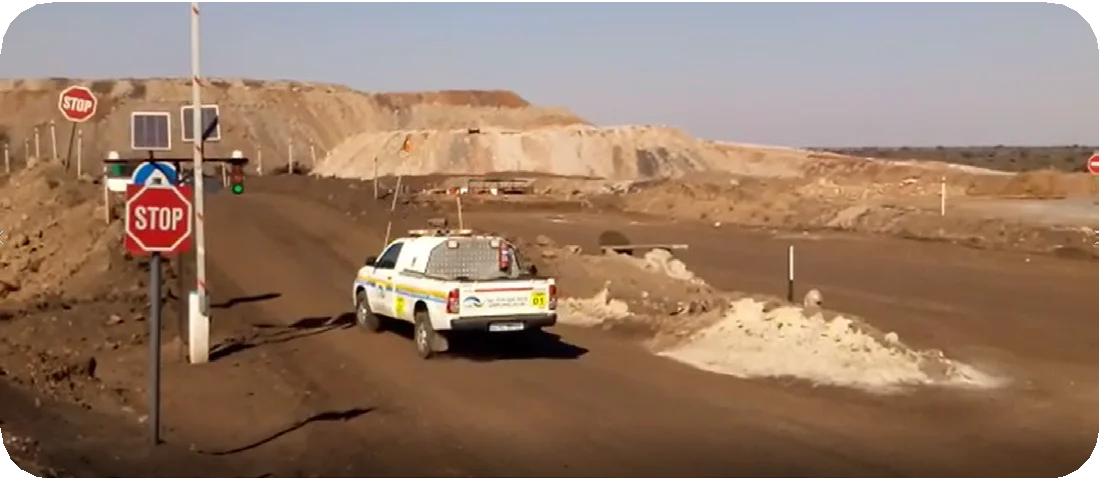
Test Stations & Light Bars
- Fixed or Mobile Test Stations (Optional Solar), ensuring the functionality of PDS & CAS system, prior to entering mining operations.
- Optional light bars integrated with PDS depicting proximity visual alerts
- Applicable to Level 7-9 Systems
Violations
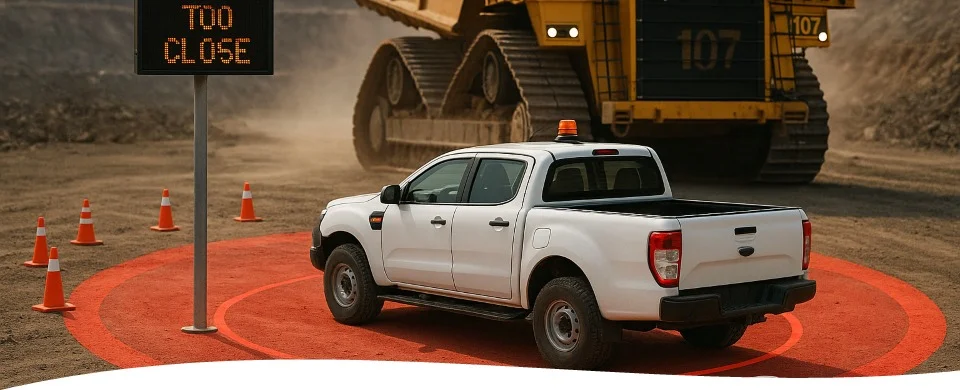
- Red Zone Violations: LDV to close to High-Risk Vehicles
- Track and report Speed, Stop Street, and Red Zone Violations on the platform.
- Applicable to Level 7-9 Systems
System Components
Our modular system architecture provides flexibility and scalability across all safety levels, with components designed for harsh mining environments.
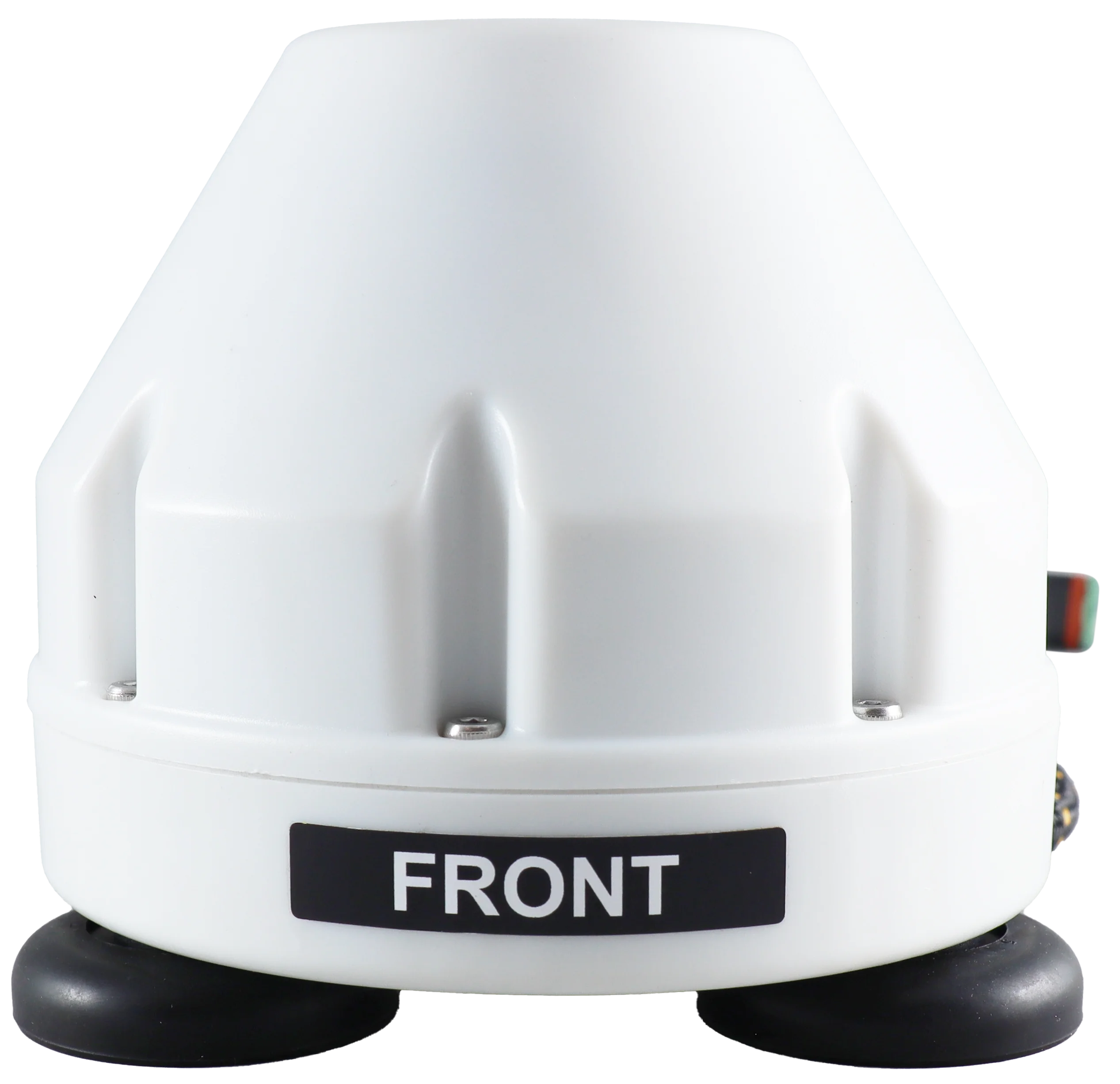
RCM (Radio Communication Module)
- Process GNSS satellite data and augments most accurate position from concurrent satellites and Real Time Location System.
- Uses radio frequency to communicate speed and direction of vehicles and pedestrians in range.
- Utilized Gyroscope and Accelerometers for low-speed maneuvering
- Radio communication, Fail-to-Safe validation
- Dual RCM for Stationary and slow-moving machines
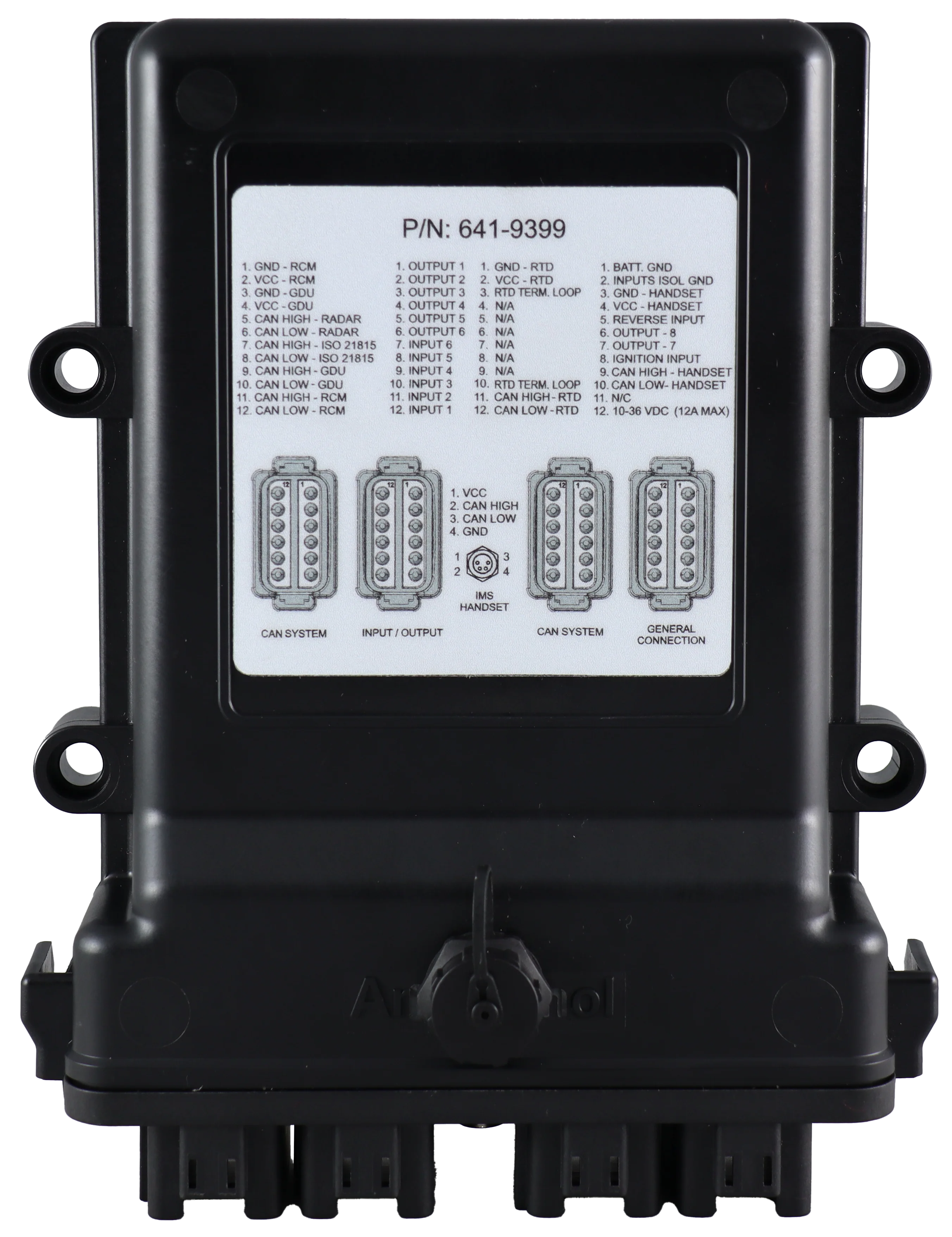
CCU (Central Control Unit)
- Central power and harness distribution
- Predictive path, curving and time to risk algorithms are embedded.
- Custom actions and desired outcomes tailored to input and digital outputs.
- 8 input and 8 digital output capability available
- Support OEM & 3rd party-CANbus integration
- Applicable to Level 8 Advanced and Level 9
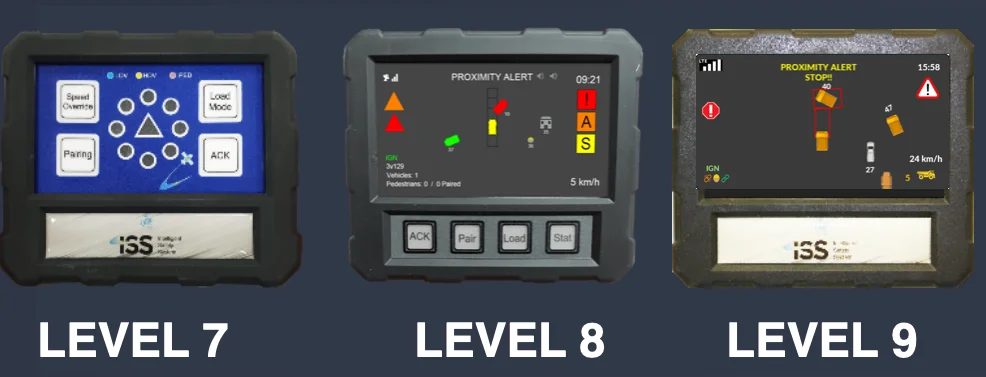
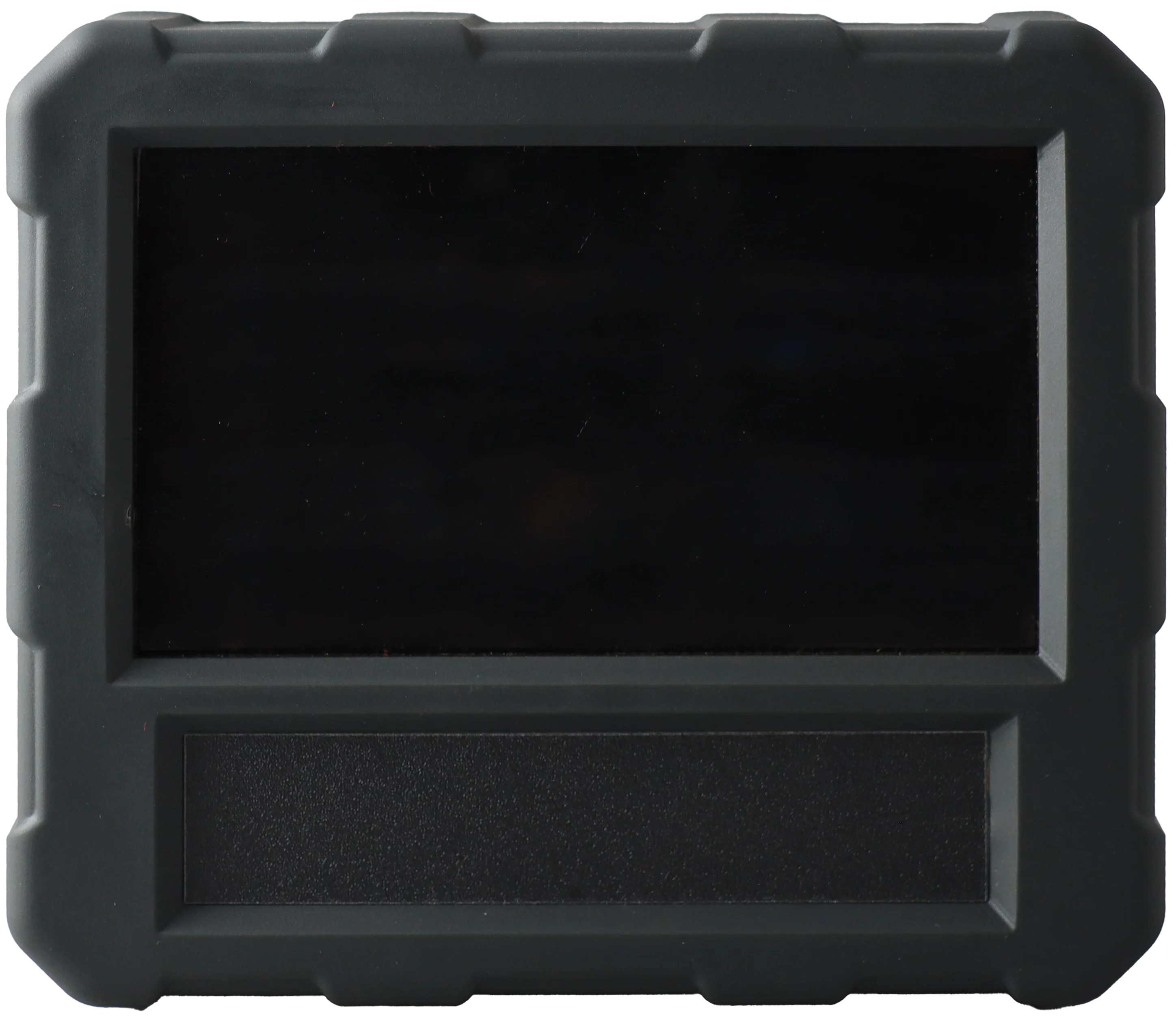
VDU / GDU (Visual / Graphical Display Unit)
- LCD display 360° situational awareness with advanced visual interface.
- Vehicle specific profile zones and warning logic. Supports static, bubble and dynamic zones.
- Automatic day and night brightness display adjustments.
- Extensive processing capacity supporting multiple geo-zones, voice commands and vehicles types.
- Wi-Fi, GSM and LTE IoT communication to the tracking and reporting platform
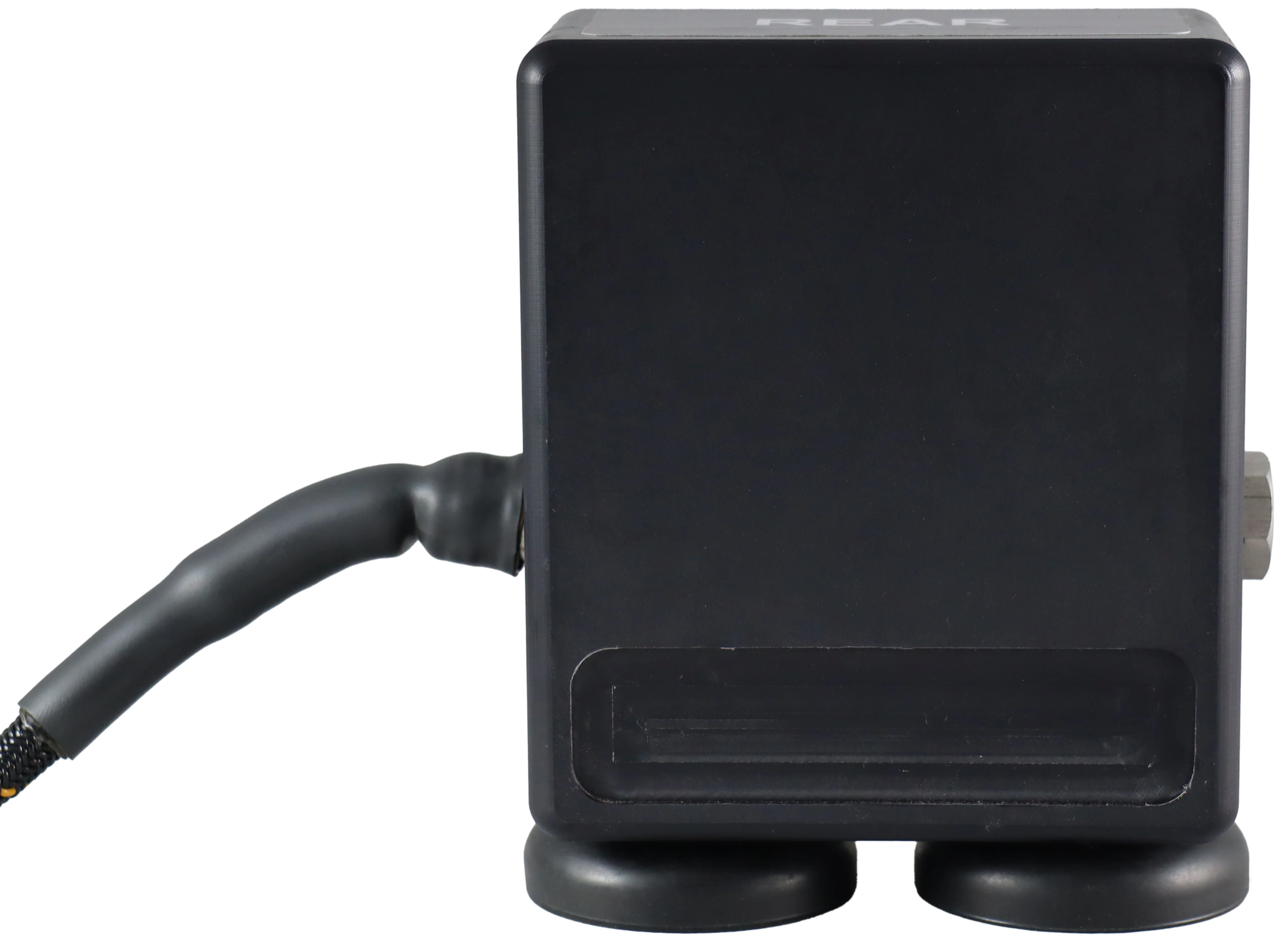
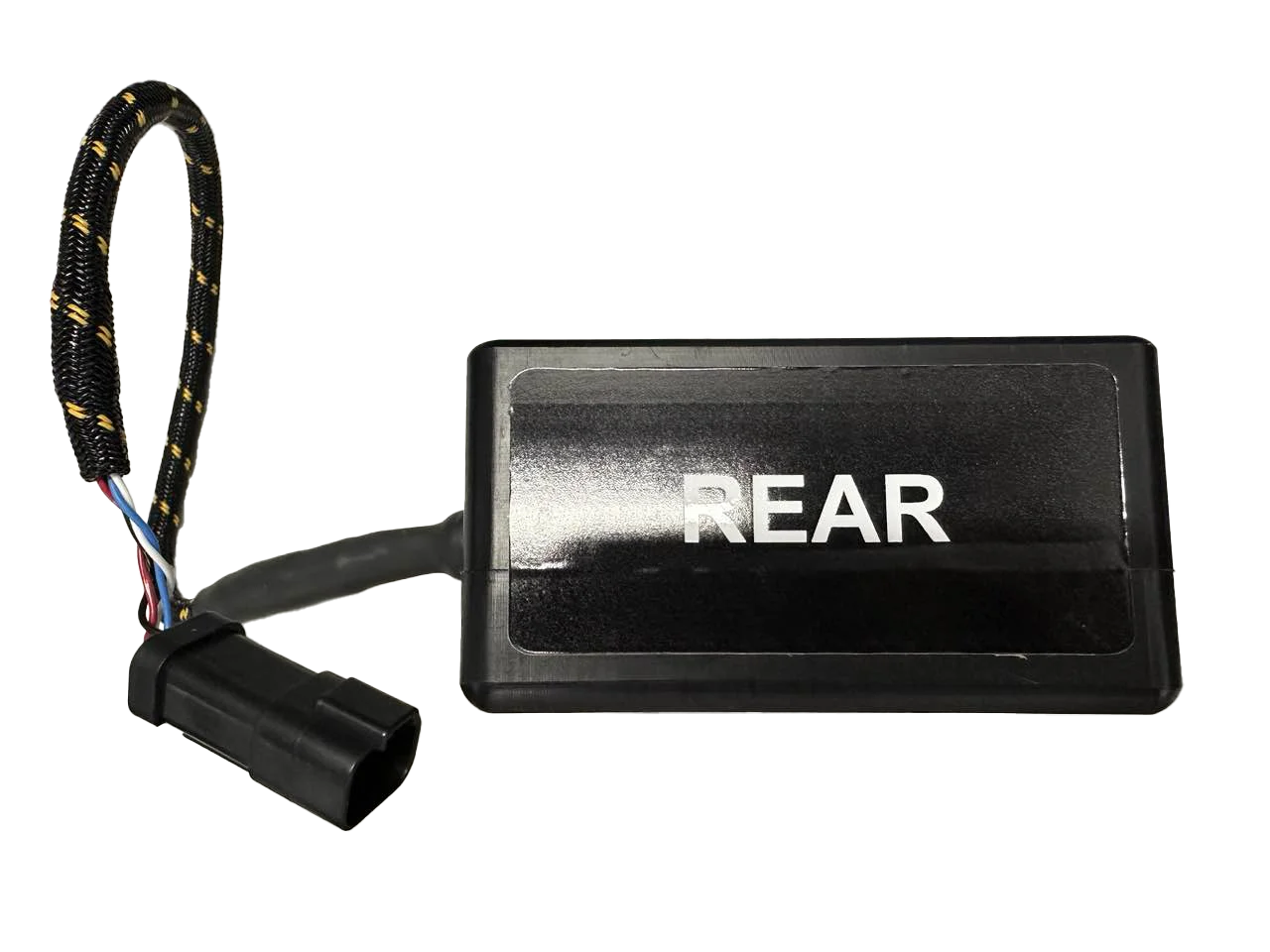
RTD (Real-Time Detection Module)
- Enhanced accuracy for under roof and limited GNSS areas.
- Applicable at low speed and close interactions.
- Fail-over for GNSS systems
- Radio frequency (RF) receiver to eliminate potential blind spots
- Front RTD embedded in RCM and Rear RTD utilized for larger trucks/ machines
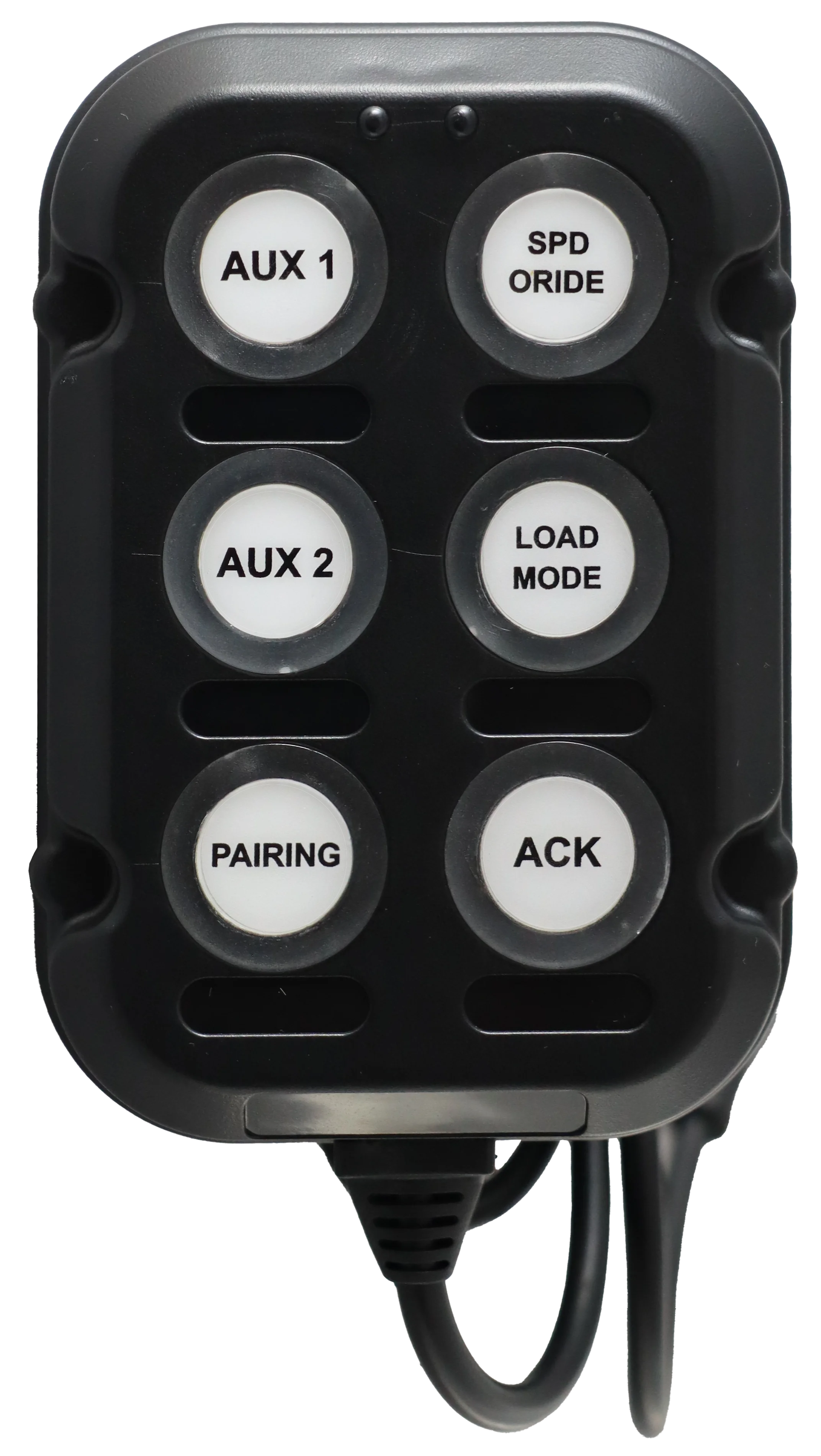
Handset
- Provides operator with interaction and acknowledgment capabilities.
- Customisable actions such as Load, Pair and Dump Mode.
- Supports technician diagnostic capability
- Supports time-based monitoring, including fatigue
- Day-night adjustable handset brightness
Radar
- Rear radar for object detection
- Addresses articulation risk whilst reversing.
- Dual Radar provides bi-directional object detection
- Complimentary and fail-over detection for objects and vehicles
- Integrated display on PDS system screen
Manual Test Station
- Validates ISS/PDS/CAS functionality for stationary units or vehicles not entering via boom gates.
- Confirms all components and communications are working before deployment onsite.
- Allows technicians to run diagnostics and identify faulty components on stationary vehicles.
- Portable for hard-park testing, breakdowns, and machines that cannot access fixed test stations.
- Provides downloadable data logs for compliance and maintenance tracking.
- Runs on a rechargeable battery or 12V–24V cigarette-lighter power source for remote use.
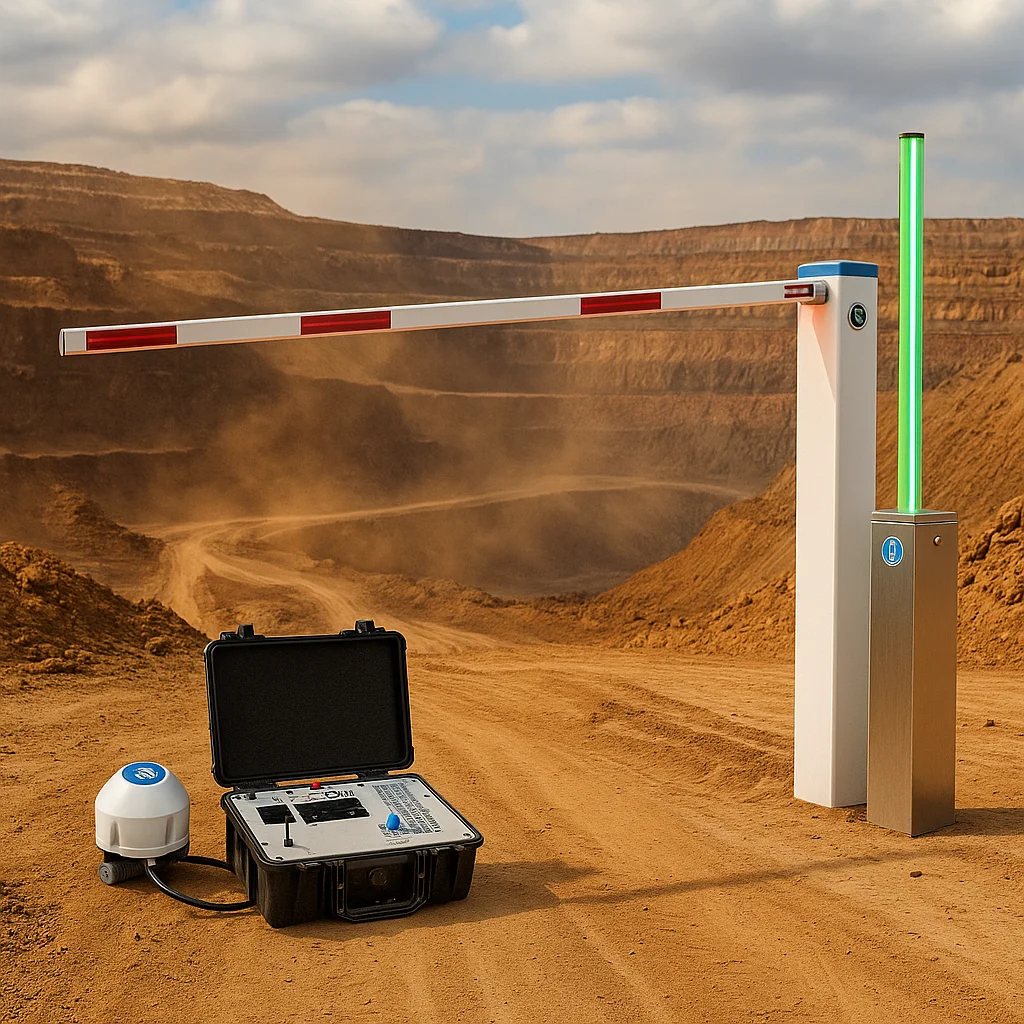
Automatic Test Station
- Automatically validates ISS/PDS/CAS functionality before vehicles enter high-risk or controlled areas.
- Confirms each machine's status at a short distance without requiring the vehicle to stop for manual checks.
- Integrates with boom gates or traffic lights; gates remain closed or lights stay red if any fault is detected.
- Receives signals from the RCM to trigger testing and control site access.
- Generates downloadable data logs for compliance, status history and reporting.
- Supports output triggers linked to boom gates, red/green traffic lights, or cloud-based events.
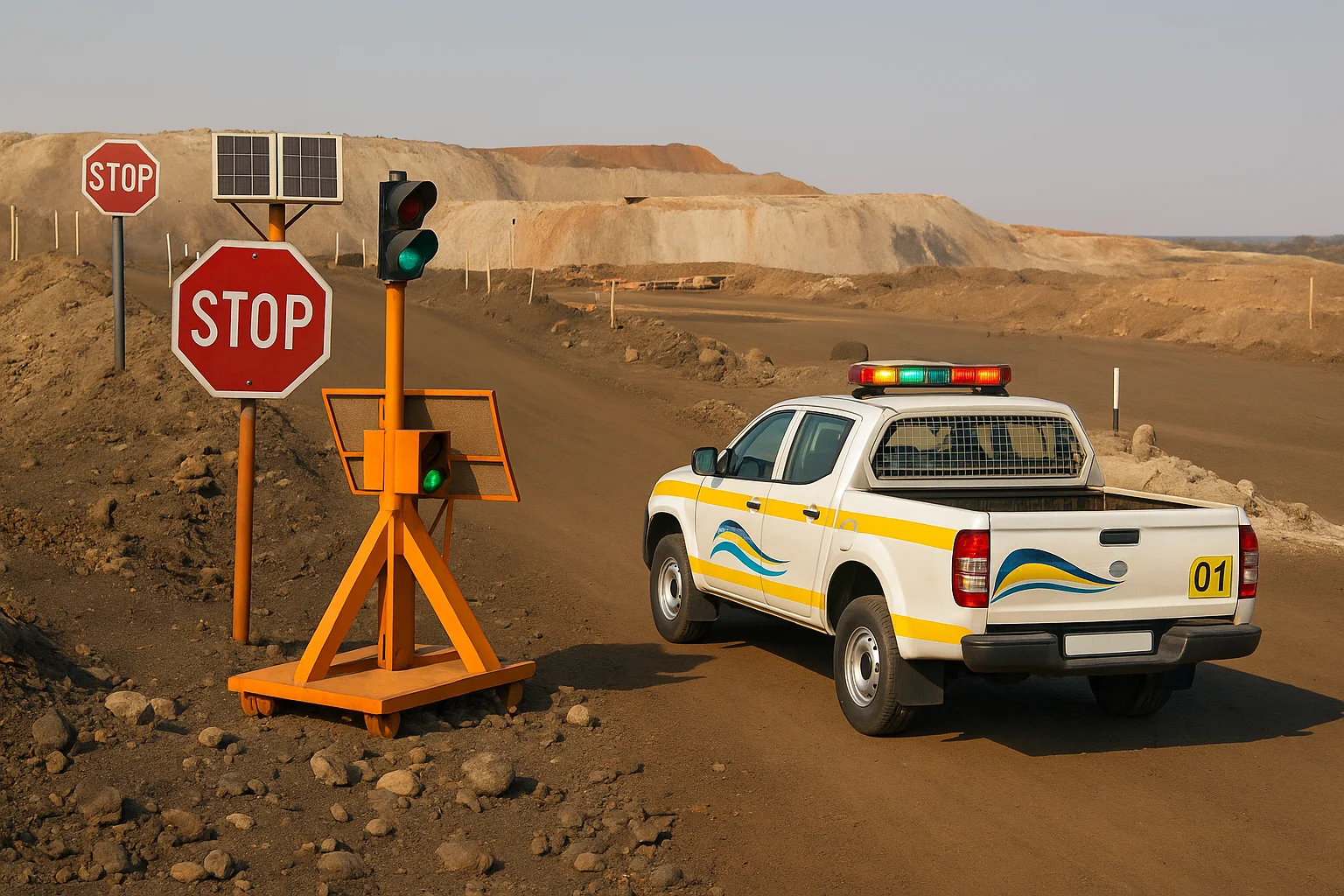
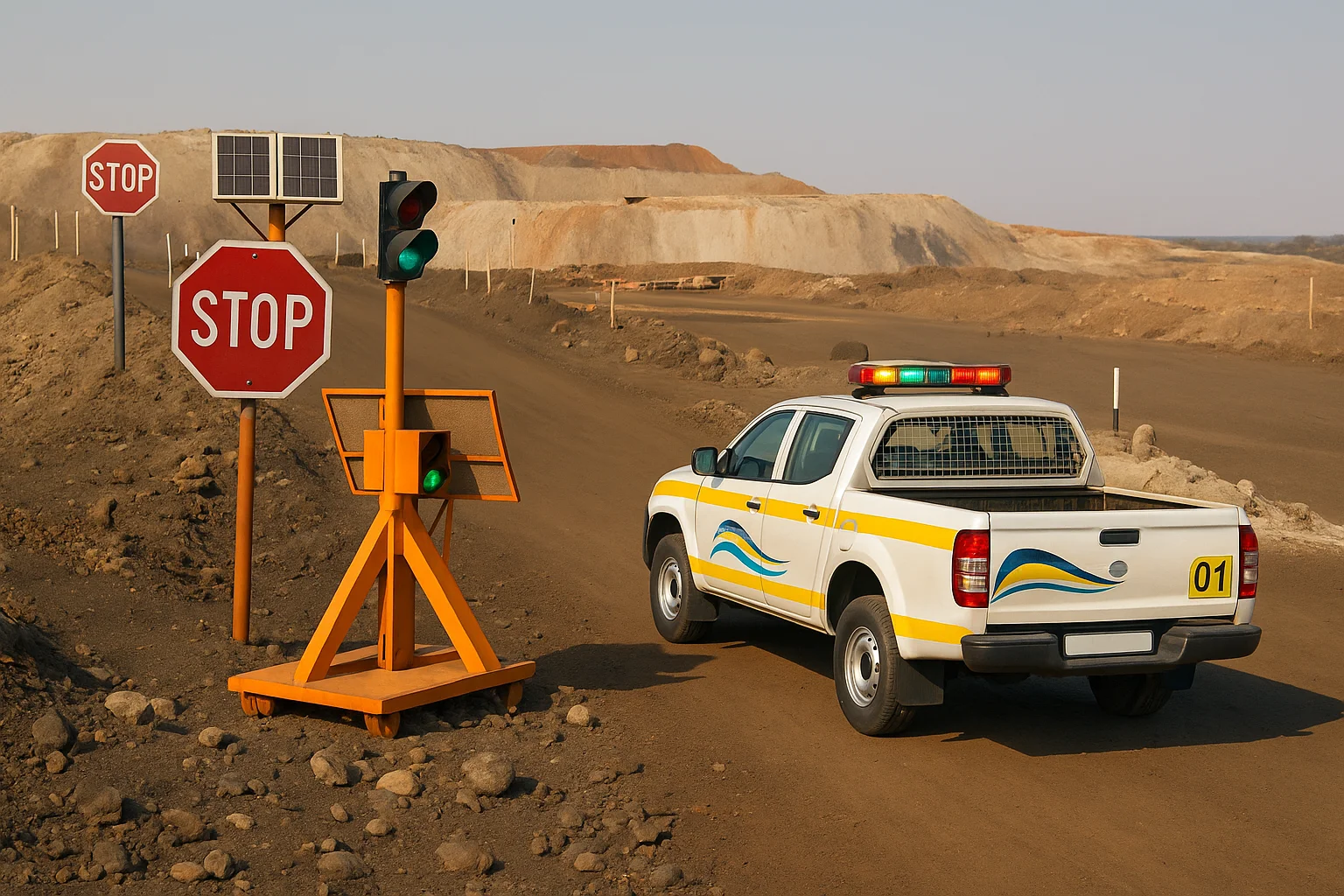
Mobile Automatic Solar Test Station
- Typical areas of use are stationary vehicles not moving out of loading areas, hard parks
- Portable alternative to fixed boom-gate or concrete-mounted installations.
- Mounted on a skid/sleigh that can be pulled by a vehicle and positioned at any access point.
- Ideal for mines with frequently changing roads and entry routes.
- Equipped with solar panels, traffic lights, and a battery box for fully remote operation.
- Contains the Automatic Test Station unit inside the enclosure, with RCM antenna mounted on top.
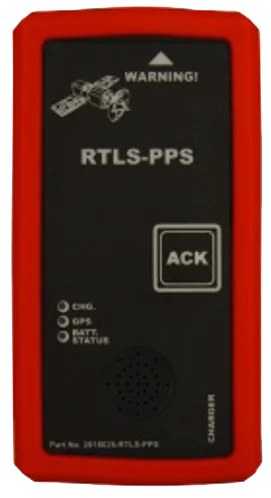
Personnel Protection System (PPS) Standard
- Alerts pedestrians to traffic and imminent danger with audible and visual warnings when safety-zone parameters are breached.
- Works with ISS/PDS/VDS systems to increase pedestrian safety and awareness on site.
- Functions in clear line-of-sight, obstructed, and under-roof environments.
- PPS-RTLS Technology
- Combines GNSS (GPS) and RF-based Real-Time Locating System for reliable operation in areas where GPS interference occurs, such as metal-structure or under-roof environments.
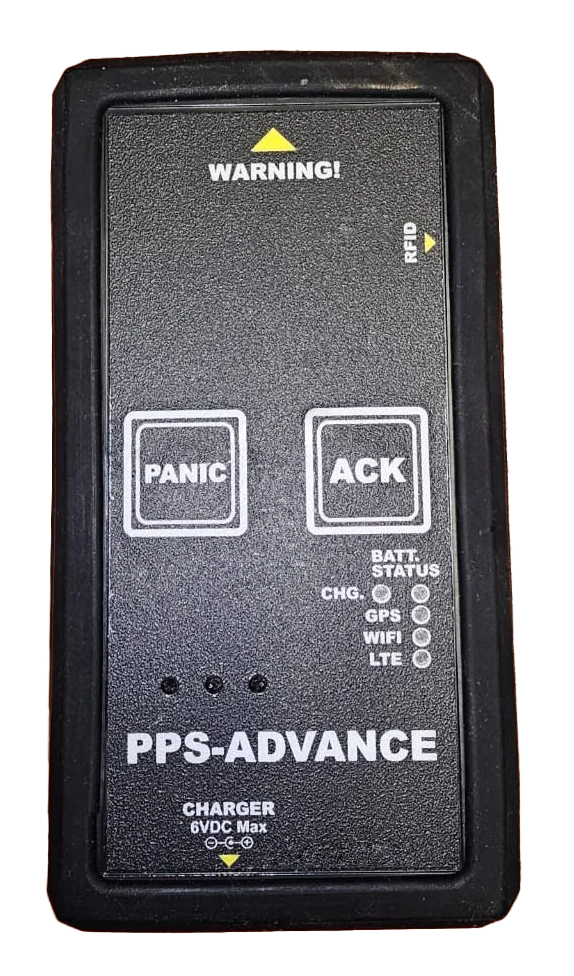
PPS Advanced
- Handheld or wearable device that alerts pedestrians when PDS-equipped vehicles enter their safety zones.
- Provides audible alarms, LED visual alerts, and vibration warnings.
- Works in combination with PDS systems and supports customizable safety zones.
- Uses RTLS to maintain accuracy in GPS-drift or under-roof environments.
- Clear line-of-sight and obstructed-environment functionality.
- Key Functions
- Panic Button: Sends a distress signal for lone workers (platform activation required).
- Acknowledge Button: Confirms awareness of a detected risk and temporarily suppresses alerts unless the risk level increases.
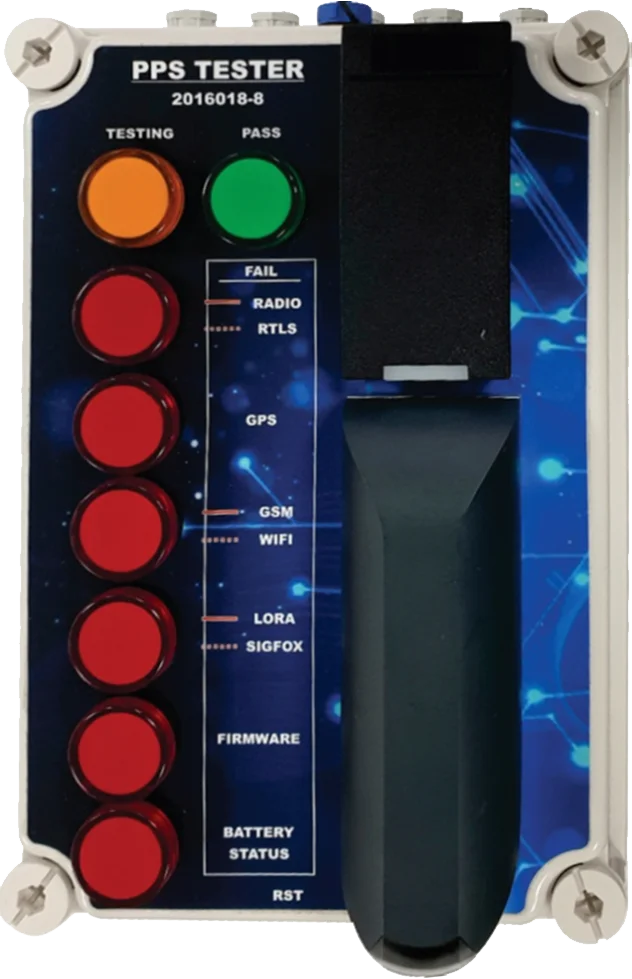
PPS (Pedestrian Unit) Test Station
- Used in the PPS issuing area to verify that each pedestrian unit is fully functional before being issued.
- The user scans or holds their PPS unit against the test station to begin testing.
- Amber LED indicates the unit is currently being tested.
- Green LED indicates the PPS has passed and is safe for use on site.
- Red LED indicates a fault in the PPS unit and the device will not be issued until resolved.
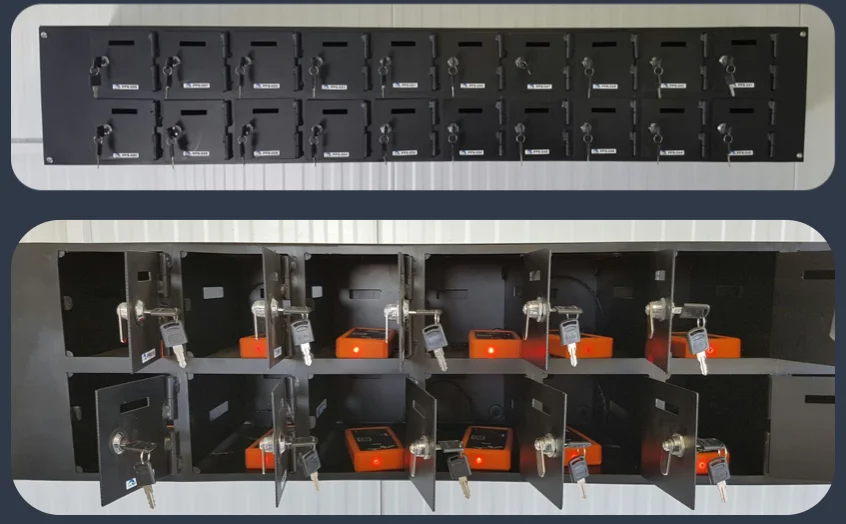
PPS Docking Station
- Configurable secure charging stations ranging from 5–20 units per box.
- Process for employees:
- End of shift, employees will leave PPS in docking station and cold start at the beginning of the shift.
- Light indicating charging / completed / red light – indication when below a certain level
- NEW Airconditioning / temperature control
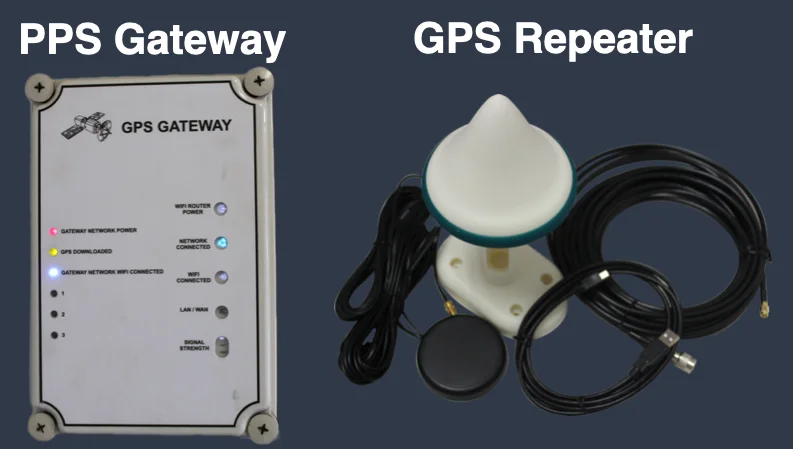
PPS Gateway
- Download GNNS data and broadcast via RF Satellite coordinates to all devices on charge to ensure quick GPS lock after charge.
- Eliminating cold start delays
- WIFI Gateway
- Download firmware & broad cast firmware updates.
- Push updates during charging
- GPS Repeater
- Receives and broadcast GNNS data into non GPS /GNNS areas, like containers, stores rooms etc.
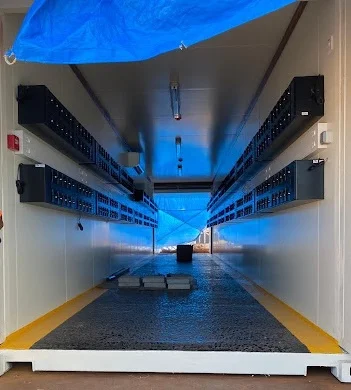
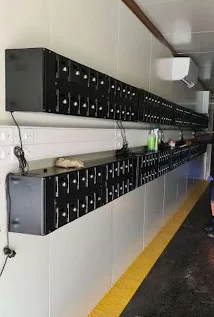
On Site Containers
- Can be tailored to customer requirements
- Used for storage for MPI PDS products on site.
- Storage of safety stock on site to minimize down time should customer require
- Can also house PPS docking stations for charging of PPS's
- Airconditioning installed to manage temperature control
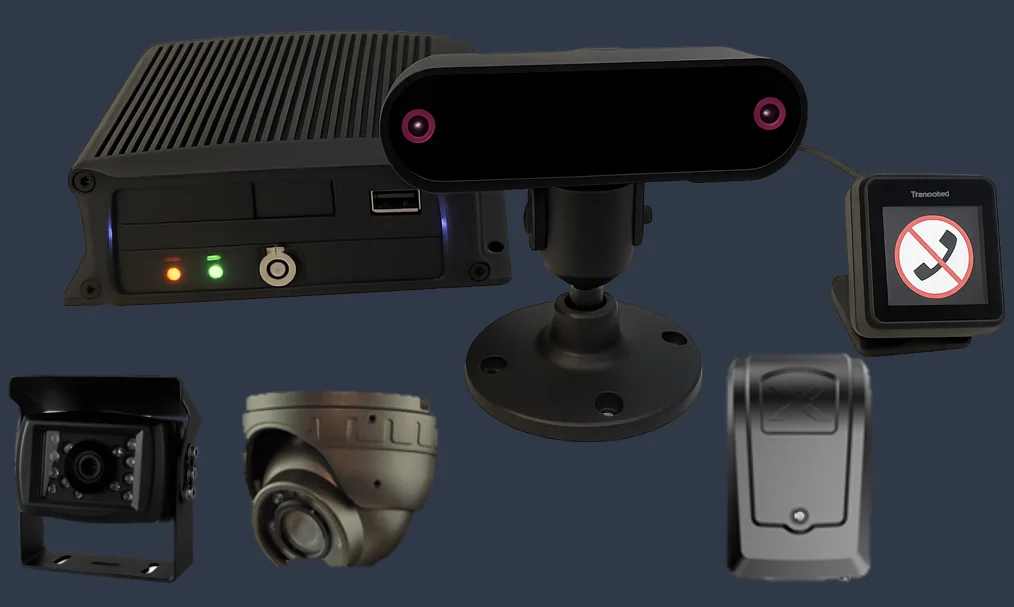
Fatigue & Driver Monitoring System (DMS)
- Detects and alerts fatigue in real time using AI-driven face, eye, and PERCLOS analysis.
- Integrates with MPI's PDS/CAS, enabling automated vehicle slow-down or stop when fatigue is detected.
- Multi-feature safety monitoring including distraction, phone use, smoking, seat belt, and face recognition.
- High-performance hardware with multi-channel video recording, GPS, G-sensor, CAN interface, and wireless connectivity.
- Reliable operation in all environments with ADAS camera support, AI processing, and integration through the CCU for full event handling and intervention.
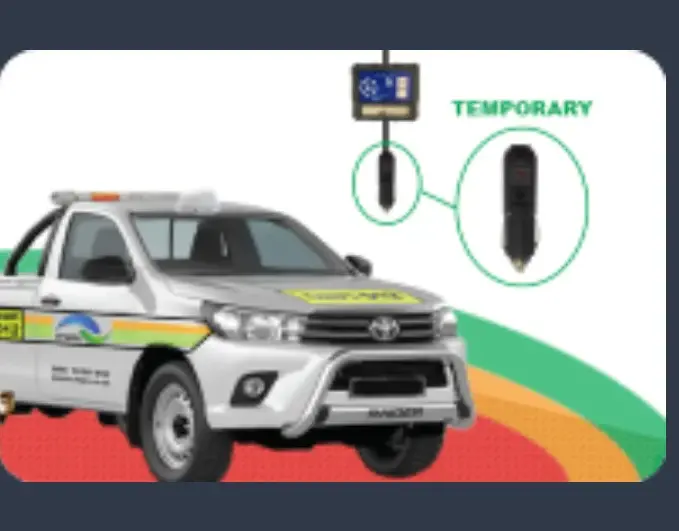
Visitor Unit
Compact Kit – lighter socket plug
- Option for temporary installations for contractors, via 12V lighter socket plug.
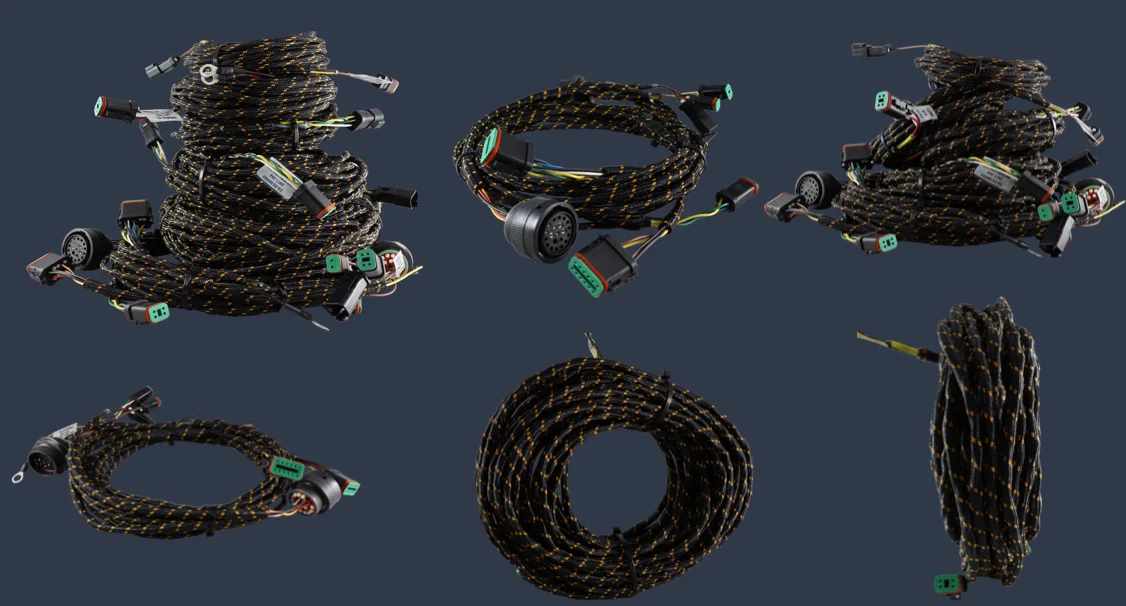
Harness Kit
- Approved Harness kits based on OEM requirements
- Manufacturing of new harnesses to specifications based on client requirements / custom specifications
- New harnesses manufactured / built based on OEM harness specifications
- Repairing and re-sleeving of existing harnesses where required
- OEM approval of Harnesses are selectively obtained
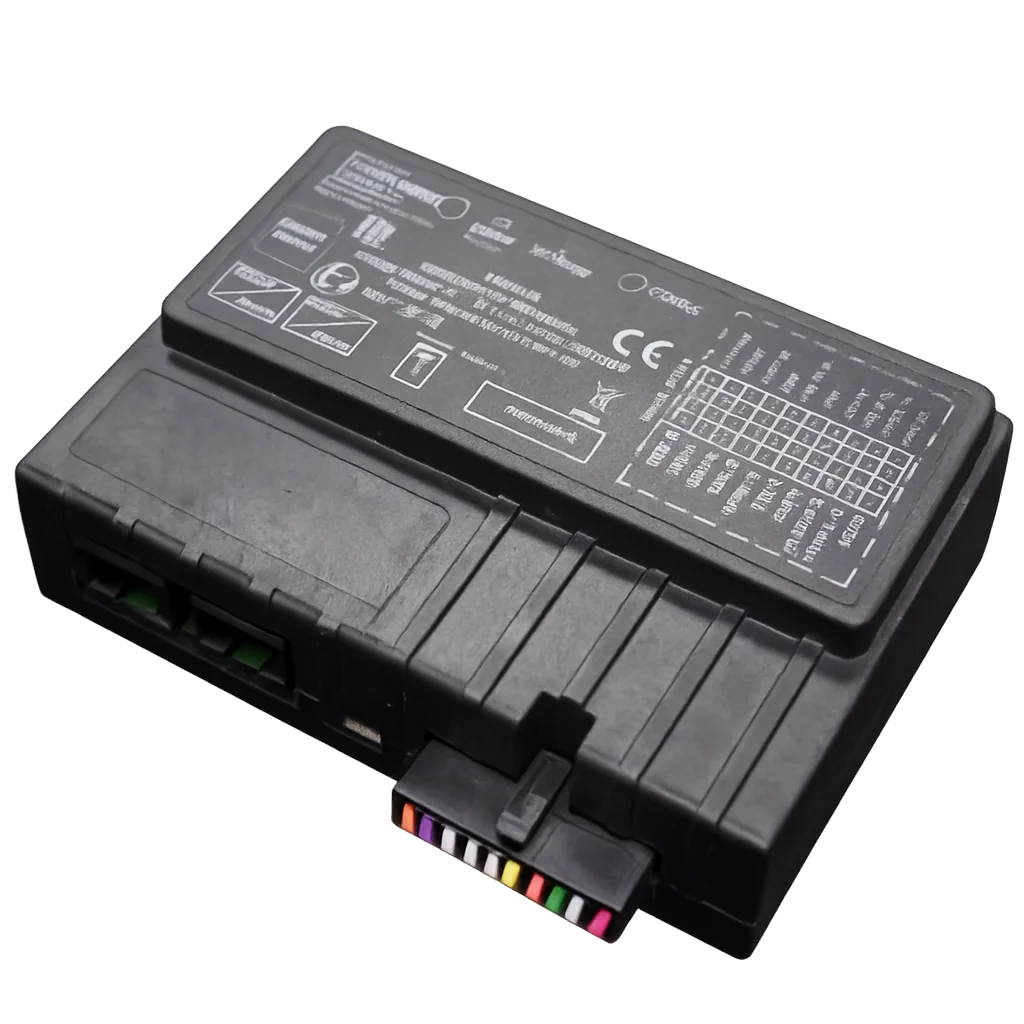
Standalone Tracking Unit
- This system provides real-time tracking with intelligent reporting, designed for fleet and PDS system visibility
- Can be used as a standalone unit
- This works independently of MPI's ISS integrated tracking system
- Also integrated with MPI's platform with all related reporting and monitoring benefits
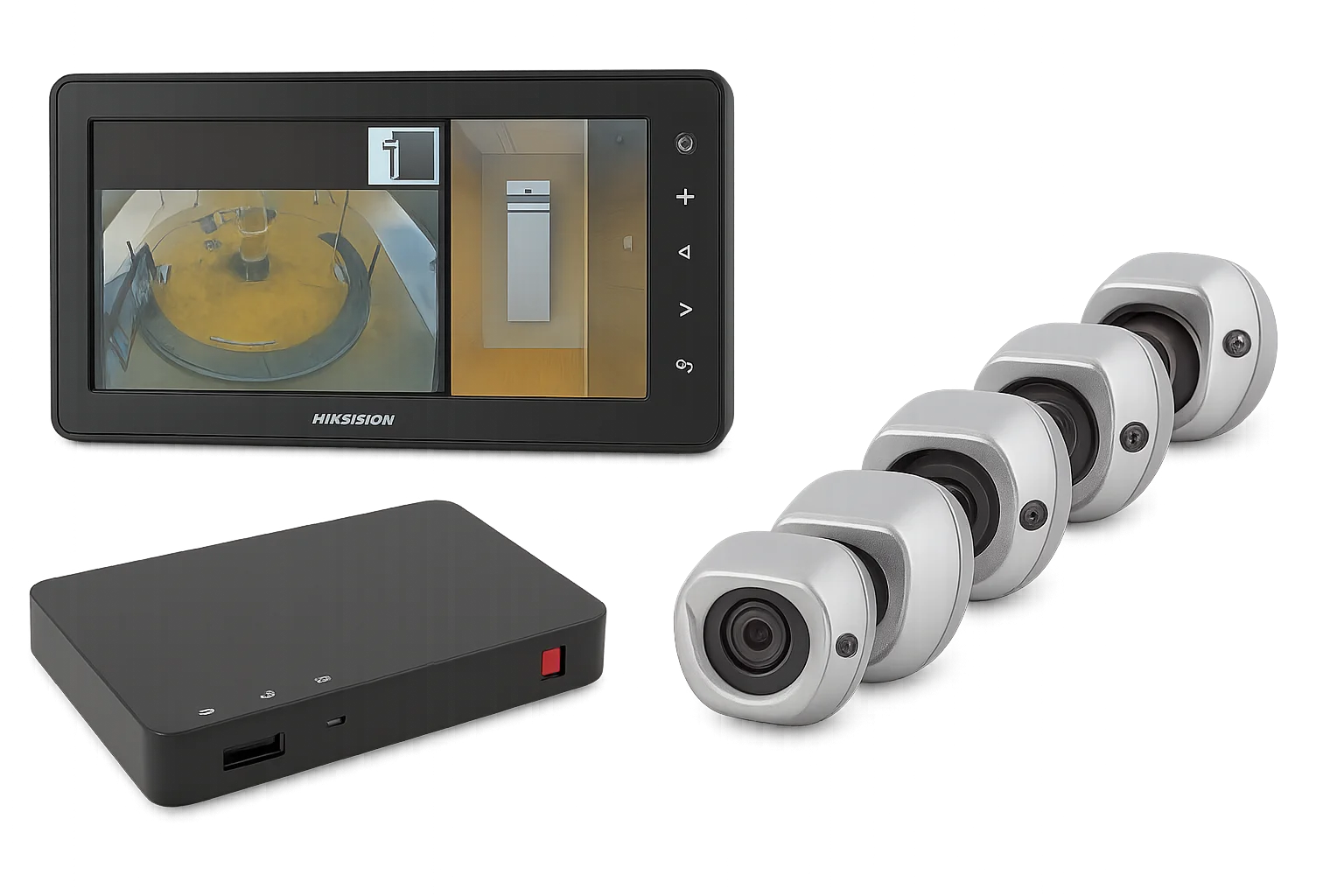
360° Degree Camera
- Provides a real-time 360° surround view to assist low-speed maneuvering.
- Combines all camera feeds into a single image for easier hazard detection.
- Reduces blind spots and the need to switch between mirrors and monitors.
- Enhances operator awareness by showing the full vehicle perimeter at once.
- System includes:
- Four ultra-wide-angle cameras
- Electronic Control Unit (ECU)Power and interface harnesses

Request more information or a call back
Get personalized safety solutions for your operations